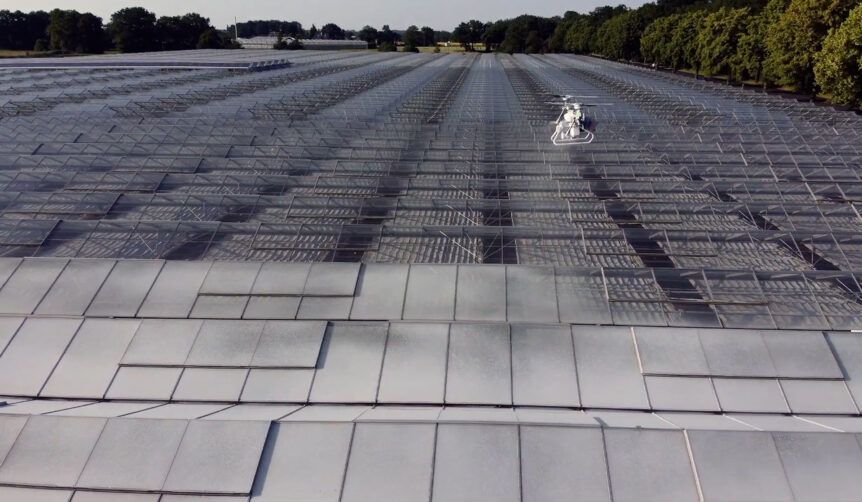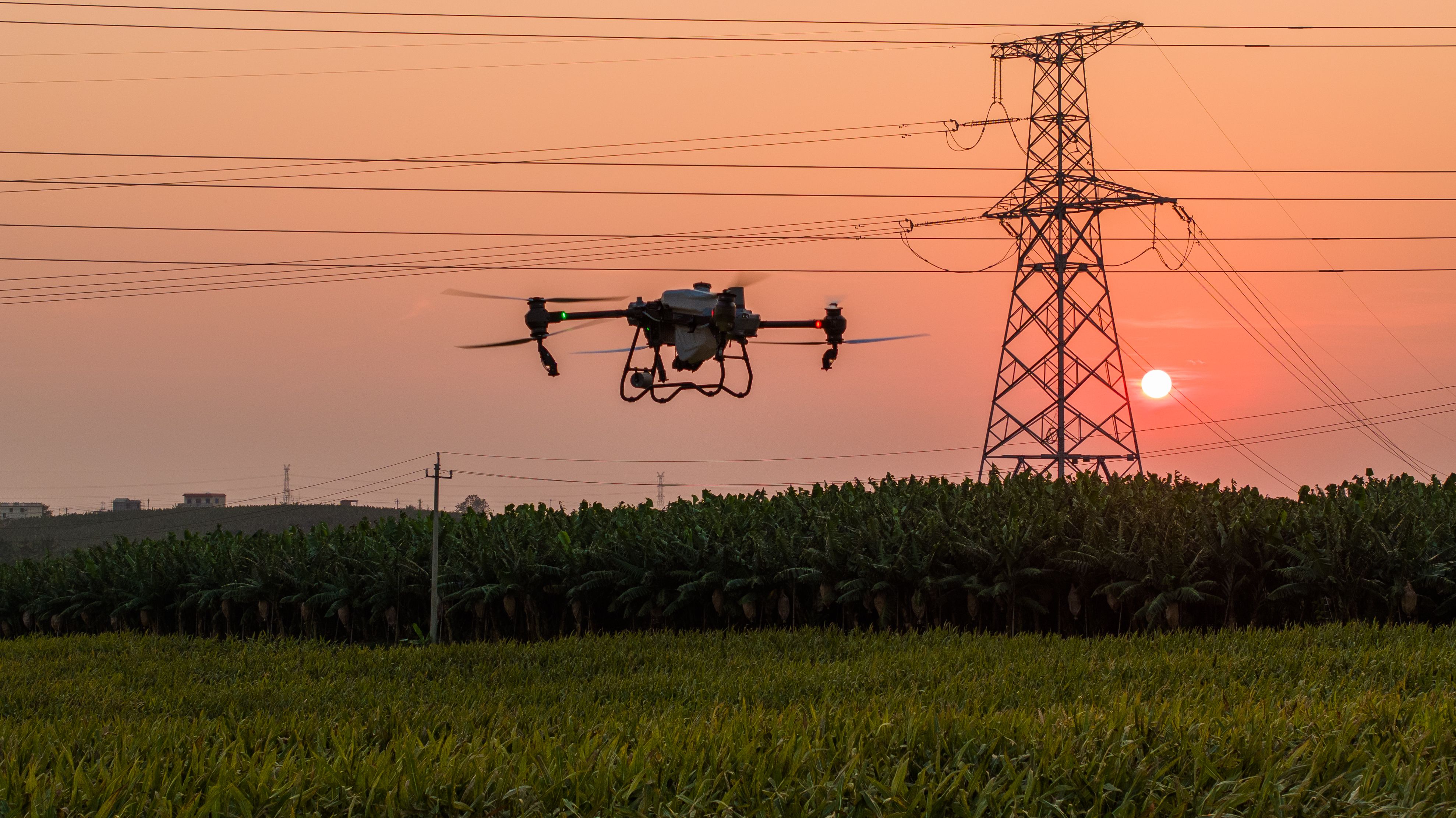
Agriculture has always been a balance between experience and uncertainty. Farmers rely on knowledge passed down through generations, but unpredictable variables like weather, pests, soil conditions, and water availability can significantly impact outcomes. Today, however, a new approach is transforming the industry data-driven farming powered by agricultural drones.
While many discussions around drones focus on spraying, mapping, or crop monitoring, there is a deeper transformation taking place. Drones are not just tools for observation they are powerful data collection systems that help farmers make smarter, faster, and more profitable decisions.
This article focuses on a different perspective how drone-generated data directly impacts return on investment (ROI) and long-term farm profitability.
What Is Data-Driven Farming?
Data-driven farming involves using technology to collect, analyze, and apply data to improve agricultural decisions.
Instead of relying solely on observation, farmers now use:
- Aerial imaging
- Field analytics
- Real-time monitoring
- Predictive insights
Drones play a central role by providing accurate, timely, and field-wide data that would otherwise be impossible to collect manually.
The Hidden Cost of Traditional Farming Decisions
Traditional farming often depends on:
- Visual inspections
- Manual scouting
- Generalized treatment methods
While effective in some cases, these methods can lead to:
- Overuse of fertilizers and chemicals
- Missed early-stage crop issues
- Uneven crop performance
- Higher labor costs
Drone technology addresses these inefficiencies by delivering precise, actionable insights.
Turning Drone Data Into Actionable Insights
Collecting data is only the first step. The real value lies in how that data is used.
Agricultural drones provide:
- High-resolution aerial imagery
- Multispectral data for crop health
- Field variability analysis
These insights allow farmers to:
- Identify problem areas quickly
- Apply targeted treatments
- Optimize resource allocation
To understand how drones capture early crop issues, explore how drones detect crop problems early
Improving ROI Through Precision Agriculture
Return on investment is a key concern for every farming operation.
Drone technology improves ROI by:
- Reducing input costs
- Increasing crop yields
- Minimizing waste
- Improving operational efficiency
For example, instead of spraying an entire field, farmers can treat only affected areas, significantly reducing chemical usage.
Reducing Input Costs with Targeted Applications
Inputs such as water, fertilizer, and pesticides represent a major portion of farm expenses.
Drone data enables:
- Variable rate application
- Targeted spraying
- Efficient irrigation planning
This aligns with advanced spraying solutions discussed here how drone spraying is revolutionizing agriculture california
By applying resources only where needed, farmers can cut costs without compromising productivity.
Enhancing Crop Yield Through Early Intervention
One of the biggest advantages of drone analytics is early detection.
Drones can identify:
- Crop stress
- Nutrient deficiencies
- Pest infestations
- Disease outbreaks
Early intervention prevents small issues from becoming major losses, leading to higher yields and better-quality crops.
Field-Level Decision Making
Not all parts of a field perform equally.
Drone data reveals:
- Soil variability
- Moisture differences
- Crop health inconsistencies
This allows farmers to make zone-specific decisions, improving overall field performance.
Learn more about field-level insights here drone mapping for farm field management
Saving Time and Labor Costs
Manual field inspections are time-consuming and labor-intensive.
Drones can:
- Cover large areas quickly
- Provide instant data
- Reduce the need for manual scouting
This leads to significant savings in both time and labor expenses.
Data-Driven Irrigation Management
Water management is critical in agriculture.
Drone analytics help farmers:
- Identify dry zones
- Detect over-irrigation
- Optimize water usage
This not only reduces costs but also supports sustainable farming practices.
Supporting Soil Health and Sustainability
Healthy soil is the foundation of successful farming.
Drone technology contributes to soil management by:
- Monitoring vegetation patterns
- Identifying erosion risks
- Supporting regenerative practices
For more insights on soil monitoring how drone technology enhances soil health monitoring large farms
Predictive Analytics for Better Planning
Beyond current conditions, drones help predict future outcomes.
Using collected data, farmers can:
- Forecast crop performance
- Plan harvest timing
- Adjust planting strategies
This predictive capability reduces uncertainty and improves long-term planning.
Integrating Drone Data with Farm Management Systems
Modern farms often use digital platforms to manage operations.
Drone data can be integrated with:
- Farm management software
- GPS systems
- Equipment tracking tools
This creates a unified system where all decisions are based on real-time data.
Improving Risk Management
Agriculture is inherently risky, but data can reduce uncertainty.
Drone insights help mitigate risks such as:
- Crop failure
- Resource misallocation
- Weather-related damage
By identifying issues early, farmers can take proactive measures.
Scaling Operations Efficiently
As farms grow, managing operations becomes more complex.
Drones enable scalability by:
- Monitoring large areas efficiently
- Standardizing data collection
- Supporting consistent decision-making
This makes it easier to expand operations without losing control.
Environmental Benefits of Data-Driven Farming
Sustainability is becoming a priority in agriculture.
Drone-driven decisions contribute to:
- Reduced chemical usage
- Lower water consumption
- Minimal environmental impact
This aligns with broader trends how drone technology is shaping precision agriculture
The Role of Pre-Flight Planning in Data Accuracy
Accurate data starts before the drone even takes off.
Proper planning ensures:
- Optimal flight paths
- Correct data capture settings
- Reliable results
Learn more about preparation processes what happens before a drone ever takes off
The Future of Data-Driven Agriculture
The future of farming will rely heavily on data and automation.
Emerging trends include:
- AI-powered analytics
- Automated drone operations
- Real-time decision systems
These advancements will further enhance efficiency and profitability. The future of agricultural drone spraying
Why Choose Specialty Drone Solutions
Specialty Drone Solutions provides:
- Advanced drone technology
- Accurate data collection
- Expert analysis
- Customized solutions for farms
Their services are designed to help farmers transition from traditional methods to data-driven operations.
Learn more about their offerings agricultural drone services precision aerial solutions
Practical Steps to Get Started
Farmers interested in drone technology can start by:
- Identifying key challenges in their operations
- Understanding what data is needed
- Partnering with experienced drone service providers
- Integrating drone insights into daily decision-making
This gradual approach ensures smooth adoption and measurable results.
Final Thoughts
Data-driven farming is no longer a future concept it is a present-day reality transforming agriculture. By leveraging drone technology, farmers can move beyond guesswork and make decisions based on accurate, real-time information.
From reducing costs to increasing yields, improving efficiency, and supporting sustainability, the benefits are clear. Drones are not just tools, they are strategic assets that empower farmers to operate smarter and more profitably.
As agriculture continues to evolve, those who embrace data-driven approaches will gain a significant competitive advantage. And with the expertise of Specialty Drone Solutions, transitioning to this modern farming model becomes not only possible but highly rewarding.