Growers who've flown a consumer drone for fun sometimes assume that experience translates directly into legally operating a drone for commercial agricultural work, spraying, mapping, or crop monitoring included. It doesn't. Commercial drone operations, agricultural spraying in particular, sit under a regulatory framework considerably more involved than what governs recreational flying, and understanding what that framework actually requires matters whether you're considering operating drones yourself or evaluating a service provider's qualifications.
This article covers what FAA certification for commercial agricultural drone work actually involves, why spraying specifically requires more than basic drone certification, and what growers should know before deciding whether to pursue this in-house or work with an already-certified provider.
Part 107: The Baseline for Commercial Drone Operations
The FAA's Part 107 rule governs commercial small unmanned aircraft operations, and it's the starting point for any legal commercial drone work, agricultural mapping, crop monitoring, and general aerial imaging included. Operating under Part 107 requires holding a Remote Pilot Certificate, which involves passing an FAA knowledge test covering airspace regulations, weather, drone operating rules, and other aeronautical knowledge, along with meeting age, language, and TSA vetting requirements.
This certification covers a meaningful range of agricultural drone applications, particularly mapping, field monitoring, and general aerial imaging work that doesn't involve dispensing any substance from the aircraft. For operations limited to this kind of monitoring and mapping work, Part 107 certification represents the core regulatory requirement to understand and satisfy before flying commercially.
Why Spraying Requires More Than Part 107 Alone
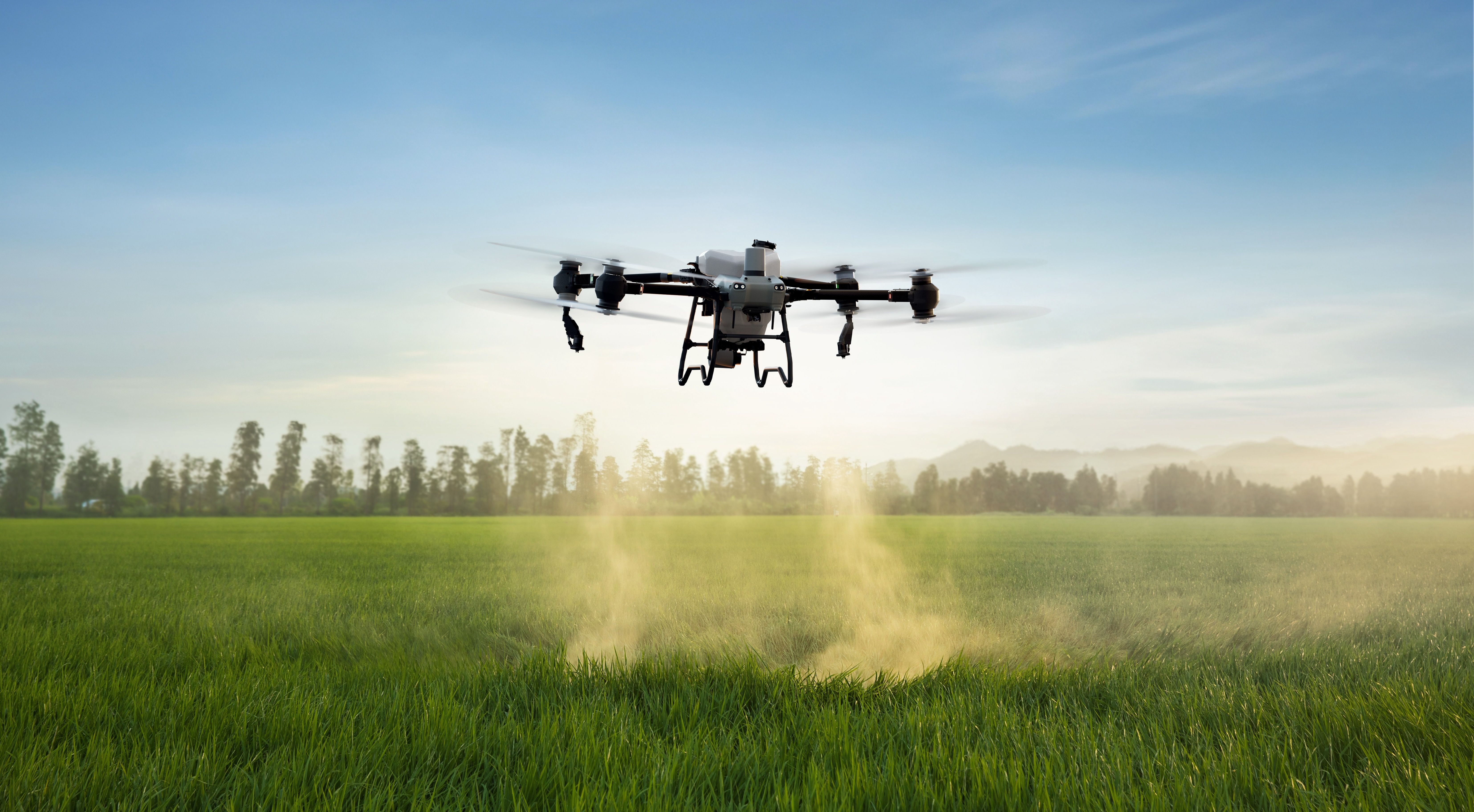
This is where a lot of growers researching drone spraying get surprised. Dispensing pesticides, fertilizers, or other agricultural chemicals from a drone doesn't fall under Part 107 alone; it falls under the FAA's agricultural aircraft operating rules, historically governed under Part 137, which applies to aircraft dispensing economic poisons and other agricultural materials regardless of whether that aircraft is piloted or unmanned. This means agricultural drone spraying operations generally need to satisfy both Part 107's remote pilot requirements and the additional agricultural aircraft operator requirements that spraying specifically triggers.
Our article on how drone spraying is revolutionizing agriculture in California covers the practical benefits this technology delivers, and understanding the regulatory layer behind that capability matters just as much as understanding the agronomic benefit, since operating outside proper certification carries real legal exposure regardless of how well the spraying itself is executed.
State-Level Requirements Layered on Top
Federal certification is only part of the picture. California, like most states, layers its own pesticide applicator licensing requirements on top of federal drone certification for anyone applying restricted-use pesticides, and agricultural drone spraying operations need to satisfy both federal and state requirements simultaneously, not one in place of the other. Our guide on regulatory compliance for agricultural drone spraying in California covers this state-specific layer in more detail, and it's worth understanding both sets of requirements together before assuming federal certification alone satisfies everything a spraying operation actually needs.
Waivers for Specialized Operations
Standard Part 107 certification comes with real operating limitations, restrictions on flying at night, over people, or beyond visual line of sight, that don't always fit every agricultural use case. Certain applications, like monitoring flights conducted overnight during frost events or larger operations covering extensive acreage beyond an operator's direct visual range, may require specific FAA waivers granted on top of baseline certification.
Our article on what happens before a drone ever takes off covers the planning and preparation that goes into a compliant flight operation, and understanding which waivers a specific application might require is part of that same upfront planning process, not something to figure out after discovering standard certification doesn't cover a use case you'd already planned around.
The Real Cost of DIY Certification
Pursuing certification independently means real time investment: studying for and passing the Part 107 knowledge test, pursuing the additional agricultural aircraft operator requirements spraying specifically demands, and securing any state-level pesticide applicator licensing required for the specific materials being applied. This isn't a quick weekend certification process, and maintaining currency and compliance across all these layered requirements represents an ongoing commitment beyond the initial certification itself.
For growers weighing whether this investment makes sense against simply hiring an already-certified service provider, our overview of agricultural drone services and precision aerial solutions covers what a fully certified provider brings to the table, expertise across both the regulatory requirements and the actual operational execution, without a grower needing to build that certification and compliance infrastructure independently.
Insurance and Liability Considerations
Certification status directly affects insurance and liability exposure for agricultural drone operations. Operating without proper certification, whether federal, state, or both depending on the specific application, can void insurance coverage entirely if an incident occurs, leaving an operator personally exposed to liability that proper certification and coverage would otherwise have protected against. This is worth factoring into the decision between in-house operation and working with a certified provider, since the insurance and liability picture looks very different depending on whether operations are being conducted under fully compliant certification or not.
Recurrency and Staying Current
Part 107 certification requires periodic recurrency training to remain valid, and staying current with evolving FAA regulations, state pesticide licensing renewal requirements, and any operational waivers held is an ongoing responsibility rather than a one-time achievement. Operations that let certification lapse, even unintentionally, risk operating outside legal compliance without necessarily realizing it until an inspection or incident brings the gap to light.
A Regulatory Landscape That Continues to Evolve
FAA rules governing agricultural drone operations, including how agricultural spraying aircraft rules apply to unmanned systems specifically, have continued to develop as drone technology has matured and adoption has grown across commercial agriculture. Requirements that applied a few years ago aren't necessarily identical to current requirements, and operators, whether growers pursuing in-house certification or service providers maintaining their own compliance, need to treat regulatory awareness as an ongoing responsibility rather than something settled once at initial certification.
This is part of why working with an established provider carries real value beyond just the equipment and technique involved. A provider actively operating in this space has direct, ongoing exposure to how these regulations are actually being interpreted and enforced in practice, insight that's harder to maintain for a grower pursuing certification as a secondary function alongside running the rest of their operation.
Comparing DIY Operation to Working With a Certified Provider
Weighing in-house certification against hiring a certified provider comes down to how much drone-based work a given operation genuinely needs on an ongoing basis, and how much value there is in avoiding the certification, compliance, and equipment investment that in-house operation requires. Our comparison of drone spraying vs. traditional spraying and which saves more covers the broader cost picture around drone-based agricultural work, and the certification and compliance overhead of DIY operation is a real cost worth factoring into that comparison alongside equipment and operational expenses.
For most individual growers, particularly those needing drone services for a portion of their operation rather than running drone work as a core, continuous business function, working with an already-certified provider avoids the substantial upfront and ongoing compliance burden that in-house certification represents, while still capturing the operational benefits precision drone application delivers.
What to Ask a Provider About Their Certification
If you're evaluating a drone service provider rather than pursuing certification yourself, it's worth asking directly about their specific certifications: do they hold Part 107 remote pilot certification, the agricultural aircraft operator authorization required for spraying specifically, and any state pesticide applicator licensing relevant to the materials being applied on your operation. A provider who can answer these questions specifically and confidently, rather than in vague general terms, is one who's actually built the compliance infrastructure this work requires rather than operating in a regulatory gray area.
It's also reasonable to ask how a provider handles recurrency and staying current with evolving requirements, whether that's periodic Part 107 recurrency training, renewed state licensing, or updated waivers for specialized operations like night flights. A provider with a clear, confident answer to this question is demonstrating exactly the kind of ongoing regulatory diligence that protects your operation from liability exposure tied to their compliance status, not just their operational skill in the field.
Final Thoughts
Commercial agricultural drone work, spraying operations especially, sits under a more involved regulatory framework than most growers researching the technology initially expect. Part 107 covers baseline commercial drone operation, but spraying specifically requires additional agricultural aircraft operator certification, layered with state-level pesticide licensing requirements on top of both. Understanding this full picture, whether you're weighing in-house certification or evaluating a service provider's qualifications, protects against the real legal and insurance exposure that comes with operating outside proper certification, regardless of how capable the underlying technology and technique might otherwise be. Getting this part right before a single acre gets sprayed is what separates a compliant operation from one carrying risk it doesn't even realize it's taking on.