The farming industry is evolving rapidly, thanks to advancements in technology. One of the most groundbreaking innovations in recent years is the integration of drones into agricultural practices. Drones are helping farmers across the world make more informed decisions about their crops, irrigation, pest control, and now, soil health monitoring. This article delves into how drone technology enhances soil health monitoring on large farms and why it's becoming a critical tool for sustainable agriculture.
The Role of Drones in Precision Agriculture
Precision agriculture involves using technology to optimize crop yields while minimizing waste, and drones play a vital role in this movement. By providing real-time, detailed data about the conditions of the farm, drones allow farmers to make better decisions regarding crop management. The ability to monitor soil health efficiently and accurately is one of the most significant contributions of drone technology to modern farming.
Soil Health Monitoring: The Traditional Approach vs. Drones
Traditionally, farmers would rely on manual soil testing, which could be labor-intensive, time-consuming, and often expensive. While effective, it lacked the ability to provide continuous monitoring across vast farm areas. On large farms, this approach meant that critical soil information could go unnoticed, leading to inefficient use of resources and potential long-term soil degradation.
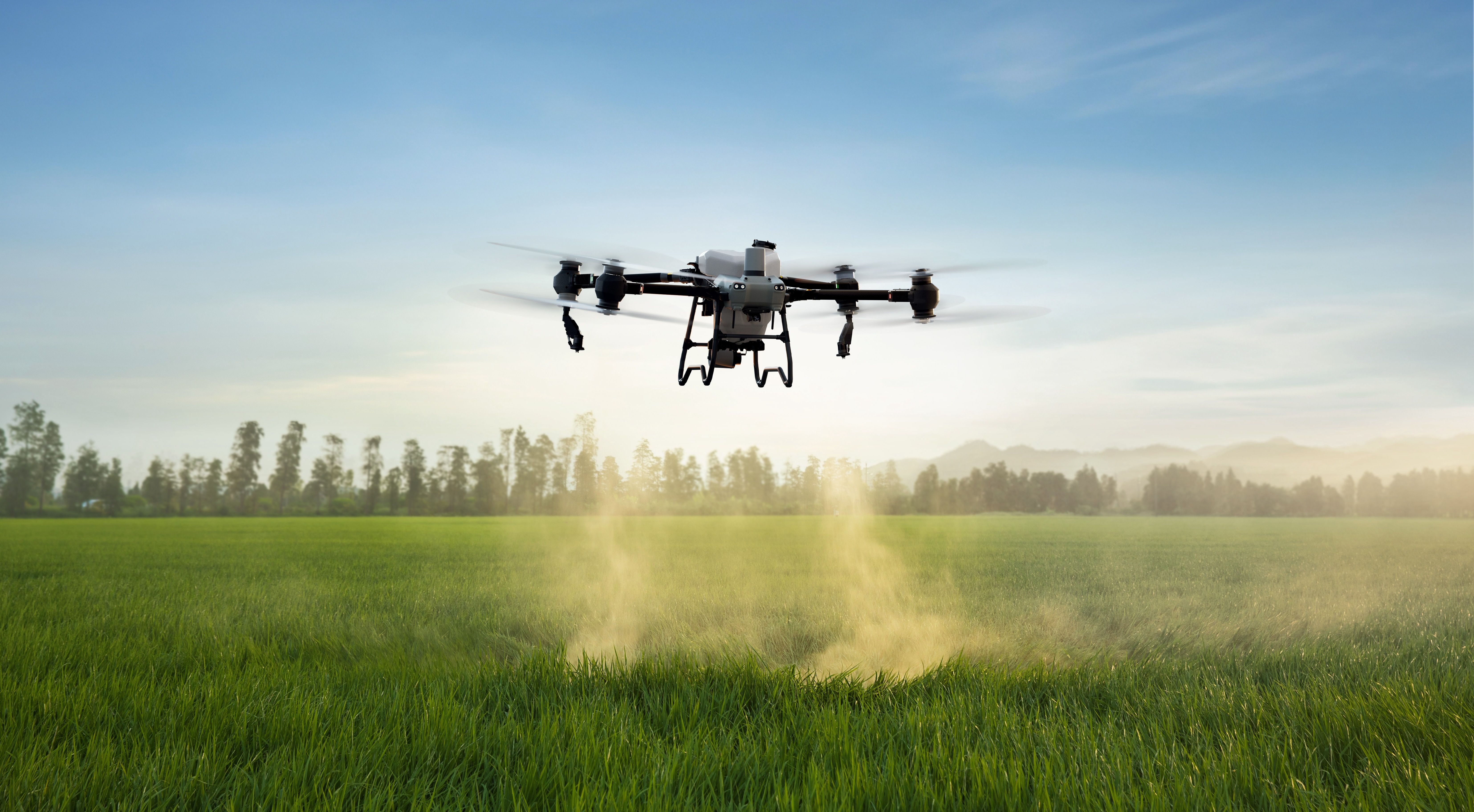
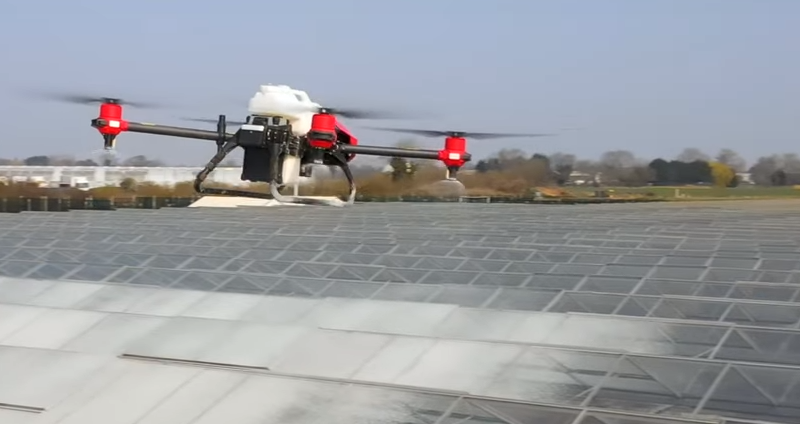
Drones, on the other hand, can cover vast areas quickly and provide precise, high-quality data that was previously inaccessible. This shift not only improves soil health management but also ensures more sustainable farming practices. For instance, drones are now used for precision farming tasks like agricultural drone spraying, which helps improve efficiency and target applications more effectively.
How Drones Collect Soil Data
Drones equipped with specialized sensors can collect a range of data related to soil health. The sensors on agricultural drones can detect various factors, such as moisture levels, nutrient content, and soil texture. Some drones also use infrared and multispectral imaging to assess plant health and soil properties at different depths.
1. Soil Moisture Levels
Soil moisture is a crucial indicator of soil health, influencing crop growth and irrigation strategies. Drones with moisture sensors can capture data on the soil's moisture content across different areas of the farm. This data can help farmers make informed decisions about irrigation schedules, ensuring that water resources are used efficiently. For more details, you can explore how drones assist in preparing fields for drone application to enhance their effectiveness.
2. Soil Nutrient Mapping
Soil fertility is another essential factor that impacts crop yield. Drones equipped with multispectral and thermal sensors can map soil nutrient levels across large areas. By identifying nutrient deficiencies or excesses, farmers can take targeted actions such as adding fertilizers or other amendments to specific areas, optimizing soil conditions for better growth.
3. Soil Texture and Composition
Soil texture and composition affect water retention, root development, and nutrient availability. Drones can fly over a farm and gather data on soil texture, helping farmers understand the soil's structure across different regions of the farm. This information helps farmers determine which areas might need different soil management practices, such as tilling, aeration, or composting.
Benefits of Drone-Assisted Soil Health Monitoring
The use of drones for soil health monitoring offers several benefits that contribute to the sustainability and efficiency of large-scale farming operations. Here are some of the key advantages:
1. Time and Cost Efficiency
Using drones to monitor soil health is far more time and cost-efficient compared to traditional methods. Drones can cover up to 150 acres per hour, gathering soil data in minutes that would otherwise take hours or days to collect manually. This allows farmers to monitor large farms regularly without incurring high labor or time costs.
2. Improved Accuracy and Precision
Drones provide high-resolution data, which means that farmers get precise insights into the condition of their soil. With traditional soil testing, data is often collected from only a few samples, which may not represent the entire farm. Drones, however, can capture data at a much higher frequency, ensuring that no area of the farm is left out.
3. Real-Time Data for Better Decision-Making
One of the major advantages of drones is the ability to gather real-time data. With instant feedback, farmers can act quickly to address soil issues as soon as they arise. Whether it's adjusting irrigation schedules, adding fertilizers, or using soil amendments, having real-time data allows for more timely interventions, ultimately leading to better soil management and improved crop health. For example, drone spraying for agriculture is directly impacted by this real-time data, leading to optimized applications and greater efficiency.
4. Sustainable Practices
By allowing farmers to identify specific areas that need attention, drones help reduce the overuse of resources. For example, they can identify dry patches of soil that need more water, helping reduce water waste. Similarly, by identifying nutrient deficiencies in specific areas, drones help farmers apply fertilizers only where they are needed, reducing the environmental impact of over-fertilization.
5. Reduced Soil Compaction
Soil compaction is a significant issue on large farms, often caused by heavy machinery. Over time, soil compaction can damage soil structure and lead to poor crop growth. By using drones, farmers can monitor areas where soil compaction might be occurring and take preventive measures to mitigate it.
The Future of Drone Technology in Soil Health Monitoring
As technology continues to evolve, so does the potential for drones in soil health monitoring. The next generation of agricultural drones will likely come with even more advanced sensors and better integration with other farm management technologies. For example, drones could one day provide real-time soil analysis linked directly to farm management software, helping farmers make instant decisions based on up-to-date soil health data.
The combination of drone spraying, precision agriculture, and drone-assisted soil health monitoring will allow farmers to take an even more holistic approach to crop management, focusing on the long-term sustainability of their farms.
Why You Should Choose Drone Technology for Soil Health Monitoring
With the ever-growing demand for sustainable farming, the need for efficient and accurate soil health monitoring is more critical than ever. Drone technology offers a solution that combines precision, efficiency, and sustainability. By integrating drones into your farm management practices, you can significantly improve soil health monitoring, reduce costs, and increase crop yields.For large farms, drone technology is no longer a luxury, it's becoming a necessity for staying competitive and meeting the growing demands of the agricultural industry.