Farming Smarter with Agricultural Drones in Southern California
Farming in Southern California is changing fast. Water is limited, input costs are rising, and growers are under pressure to farm more efficiently while protecting soil and water. In the middle of all this, one technology is quietly reshaping how fields are sprayed and seeded: agricultural drones.
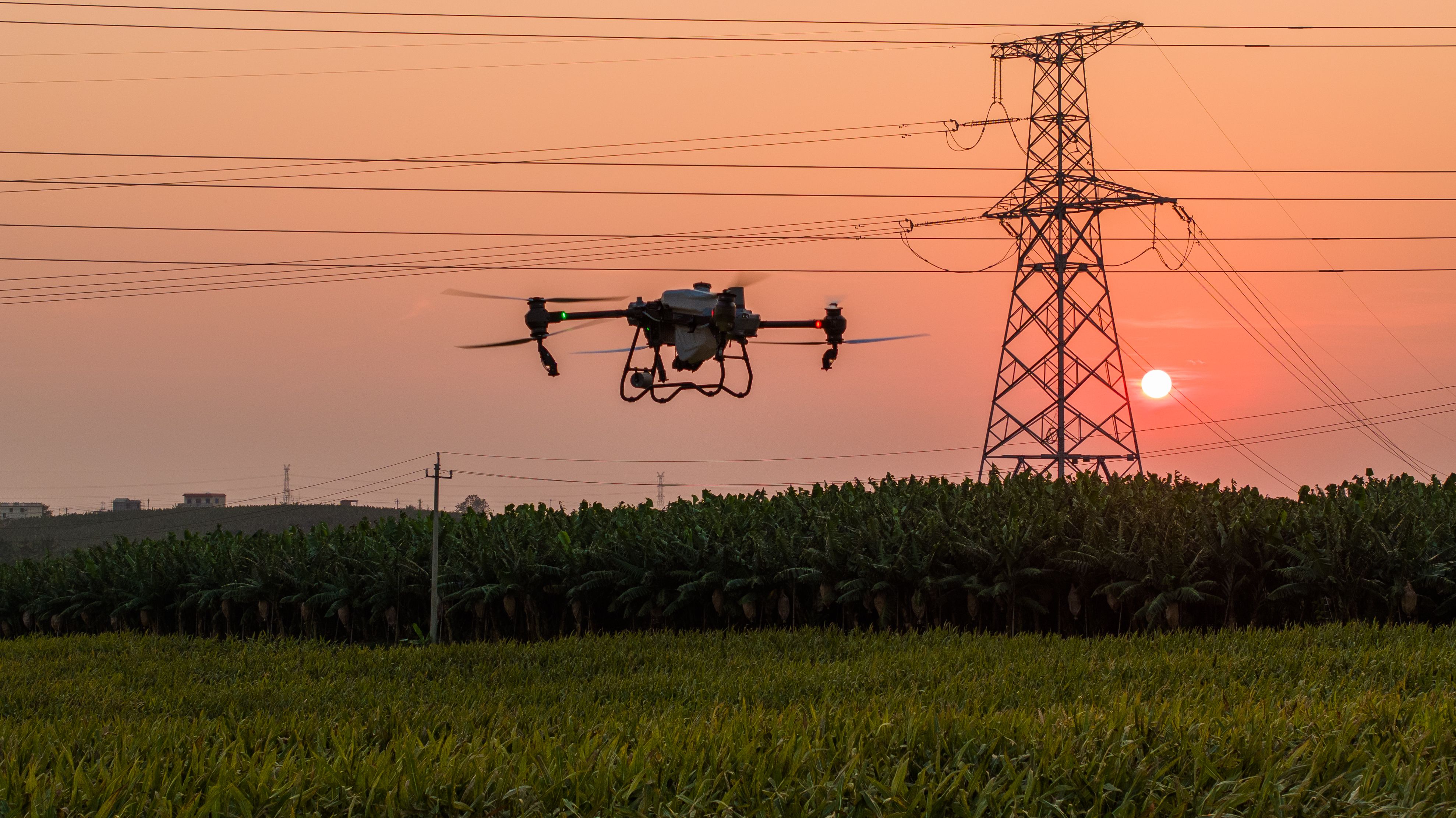
Specialty Drone Solutions helps farms across Southern California and beyond move from traditional ground rigs and planes to precision drone application. With agricultural drone spraying and cover crop seeding, growers can treat fields, orchards, vineyards, and even water-adjacent areas with far more control, less waste, and minimal soil disturbance.
Instead of guessing where chemicals landed or worrying about damaged rows, farmers can now see exactly where every droplet and every seed goes. That shift is what makes agricultural drone spraying benefits so compelling for modern operations.
If you’ve been wondering whether drones are just a trend or a real tool for your farm, this guide walks through why drone spraying and seeding often outperform conventional methods in the field, on the balance sheet, and for the environment.
Why Farms Are Rethinking Traditional Spraying and Seeding
Conventional spray rigs and airplanes have served agriculture for decades, but they come with trade-offs:
- Overlap and missed strips that waste product
- Soil compaction from heavy machines making repeated passes
- Drift risk near homes, roads, and waterways
- Higher labor and fuel costs
- Limited access to wet, steep, or freshly planted ground
For many Southern California farms, these issues are getting harder to ignore. Input prices keep climbing, water and chemicals face tighter scrutiny, and more growers are moving toward precision drone agriculture and regenerative practices.
Drone spraying and seeding directly address these problems by flying above the crop with GPS-guided precision and minimal impact on soil structure.
Agricultural Drone Spraying Benefits on Real Farms
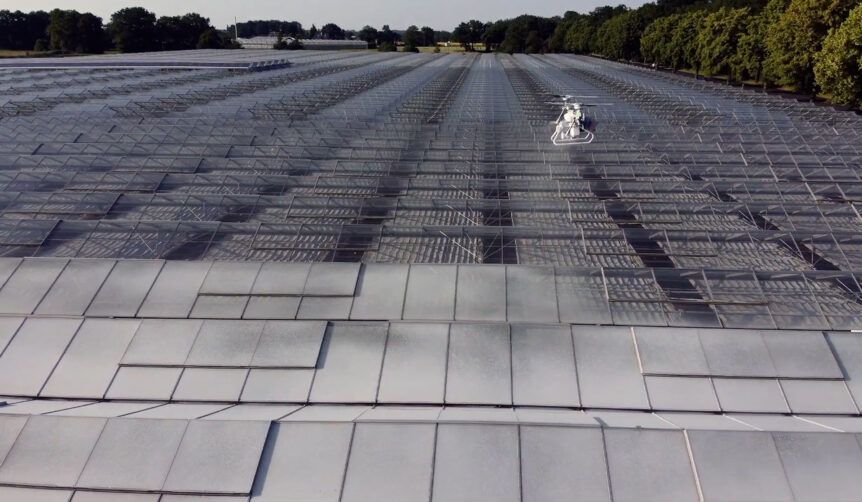
The core advantage of drone spraying is precise placement. Instead of treating entire blocks the same way, drones can target problem zones, field edges, and irregular areas that need attention.
Precision Application with Less Waste
Drones apply product only where it’s needed, helping farms:
- Reduce overlap and wasted inputs
- Cut overspray near sensitive boundaries
- Improve coverage on irregular fields and terraces
With proper planning, many operations using drone spraying in California achieve better efficacy with fewer gallons per acre than blanket ground applications.
Better Fit for Southern California Conditions
For Southern California growers, terrain and microclimates matter. Drones excel in:
- Steep hillsides
- Permanent crops like orchards and vineyards
- Tight access roads and irrigation infrastructure
Drones can also operate early in the morning or late in the evening, when wind conditions are favorable but ground equipment is impractical.
Safer for Workers and Nearby Communities
Drone operations keep applicators out of the spray zone. Instead of riding tractors through treated areas, pilots operate from a safe distance while monitoring the precision aerial application in real time. This reduces exposure risks while maintaining consistent coverage.
Flexible Aerial Application for Specialized Farm Needs
Specialty Drone Solutions supports more than just broad-acre spraying. Their aerial services adapt to different crops, seasons, and management goals, including:
- Targeted fungicide and insecticide treatments
- Nutrient applications on permanent crops
- Buffer strip and edge-of-field treatments
These applications are often paired with spot treatments to address localized pressure without unnecessary chemical use across the entire field.
Drone Seeding vs Conventional Seeding
Seeding is another area where drones often outperform traditional equipment.
Conventional seeding typically requires tractors, drills, or broadcast spreaders, which means:
- Waiting for soil conditions to support heavy equipment
- Driving across every acre
- Risking ruts and compaction in soft areas
With drone seeding, the workflow changes significantly.
Faster Cover Crop Establishment
Using aerial application for cover crops, drones allow growers to:
- Seed into standing crops before harvest
- Establish covers on wet, rough, or sloped ground
- Take advantage of narrow weather windows
This improves soil health, erosion control, and organic matter without delaying operations.
More Uniform Placement
Drones follow pre-planned flight paths to ensure consistent coverage, helping improve germination and stand uniformity. For farms focused on sustainable systems, this consistency supports long-term soil strategies tied to precision agricultural drone services.
Lower Labor and Equipment Costs
With fewer field passes and less heavy machinery, farms using drone services see:
- Reduced fuel use
- Less wear on tractors and implements
- Lower labor requirements per acre
Over time, these cost savings become a major advantage, especially on larger or more complex properties.
Beyond Fields: Drones for Water and Specialized Treatments
Modern agricultural drones extend beyond crops. Specialty Drone Solutions also provides custom aerial applications for ponds, reservoirs, and other hard-to-access areas through custom drone application services.
These services are especially useful where ground access is limited or safety is a concern, allowing targeted treatment without disturbing surrounding vegetation or infrastructure.
How Drones Support More Sustainable Farming
Growers are under increasing pressure to demonstrate responsible input use. Drones make that transition practical by helping farms
- Reduce chemical use through targeted application
- Protect water quality by limiting drift and runoff
- Keep heavy equipment off fragile soils
- Apply treatments at optimal timing for plant health
These benefits align with long-term sustainability goals while maintaining strong yields.
The Takeaway: Why Drones Are Replacing Traditional Methods
Drone spraying and seeding are no longer experimental tools. For many Southern California farms, they are becoming core parts of day-to-day operations.
With solutions such as:
- Agricultural drone spraying benefits for precise crop protection
- Drone seeding for fast, flexible cover crop establishment
- Custom aerial applications for specialized farm needs
- Measurable cost savings across labor, fuel, and inputs
Specialty Drone Solutions helps growers move toward a smarter, more sustainable way of farming.
If you’re looking to reduce waste, improve accuracy, and protect your land while staying profitable, agricultural drones are no longer optional. They are one of the strongest upgrades available for modern farming.