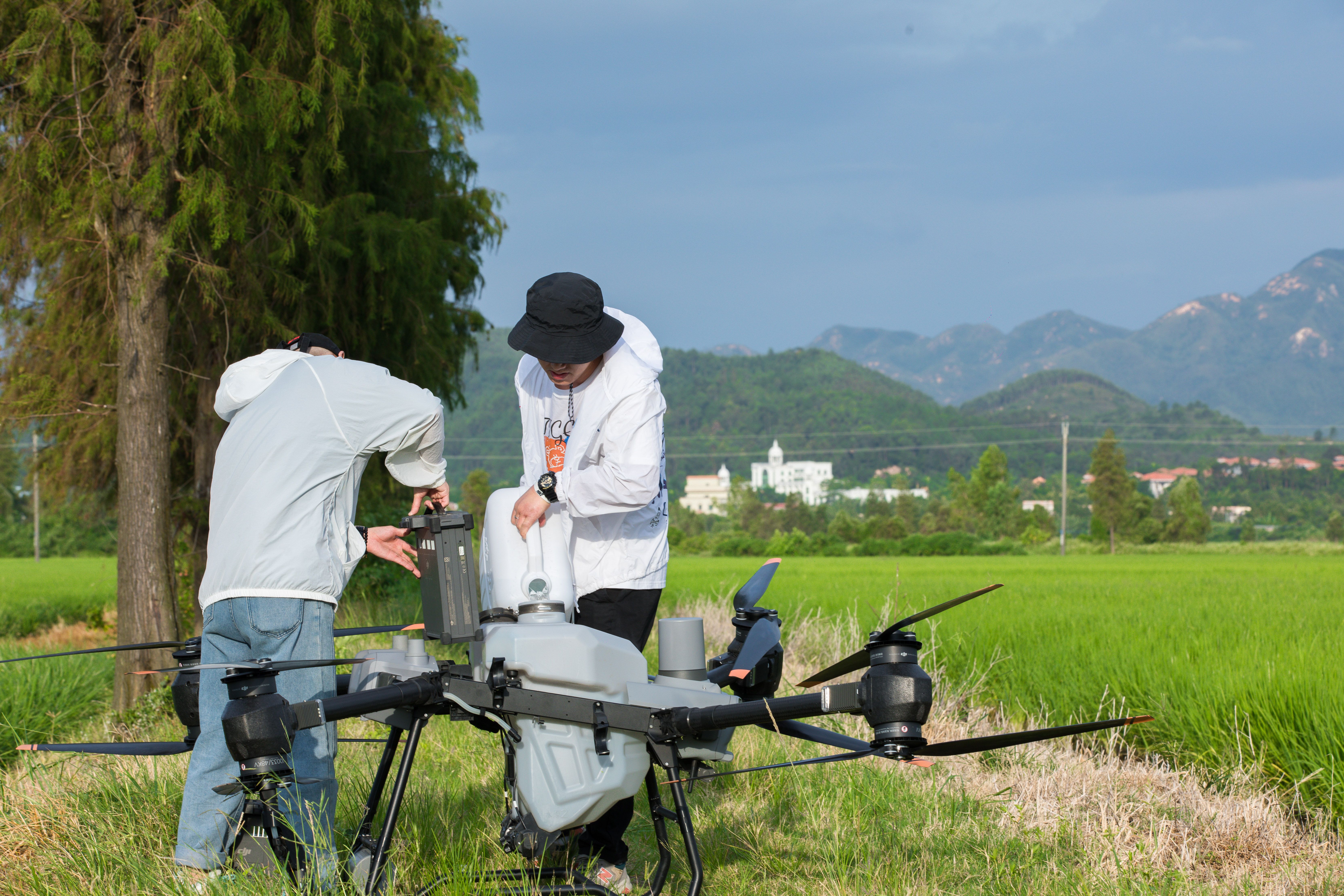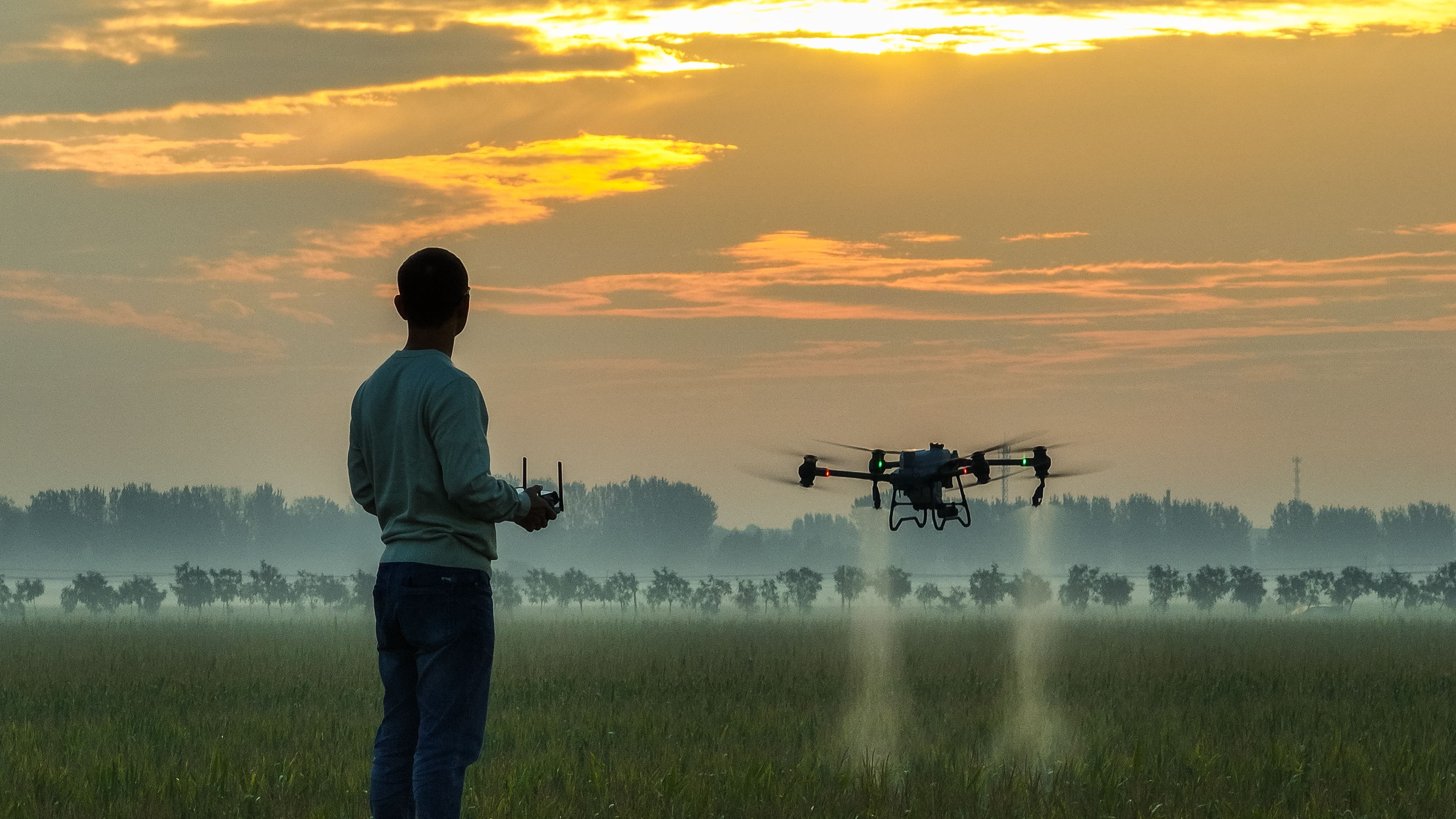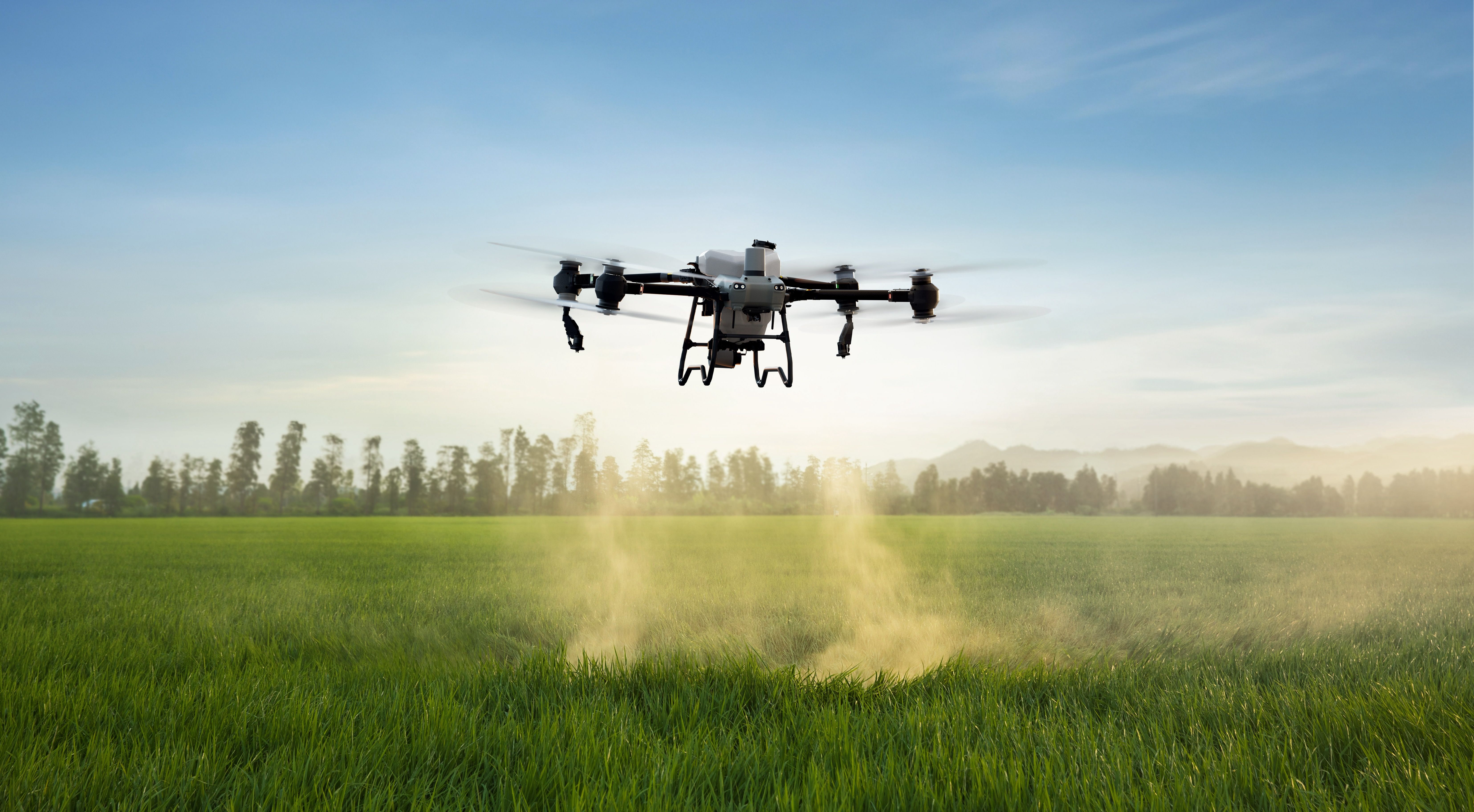
Agricultural drone spraying has moved quickly from a novelty to a practical tool for growers across California and the rest of the country. Farmers are using drones to apply fungicides, insecticides, herbicides, foliar nutrients and other products on everything from row crops to orchards, vineyards and hillside fields.
One of the first questions growers ask is simple: how much does it cost? The honest answer is that drone spraying is usually priced per acre, but the rate can vary widely depending on the crop, field conditions, product, application rate and the size of the job.
This guide explains how drone spraying is typically priced, the key factors that raise or lower your cost, and how to compare drone application against ground rigs and manned aircraft so you can make the right decision for your operation.
How Drone Spraying Is Usually Priced
Most custom drone spraying services charge on a per-acre basis. The per-acre rate typically covers the drone, the licensed pilot and crew, batteries, mixing and loading, flight planning and the application itself.
For broadacre row crops in large, open fields, custom drone application rates nationally have commonly fallen somewhere in the low-to-mid teens per acre, and prices have generally trended downward as more operators enter the market and drones carry larger payloads. Specialty crops, small fields, complex terrain and higher application volumes typically cost more, which is common in California agriculture.
Pricing often includes or adds:
- Minimum job charges for small fields or short visits
- Mobilization or travel fees for distant locations
- Product costs, if the applicator supplies the material
- Add-on services, such as mapping, scouting or prescription spraying
Because every operation is different, the most accurate number always comes from a custom quote based on your fields.
Key Factors That Affect Drone Spraying Cost
1. Total Acreage
Acreage is one of the biggest drivers of price. Larger jobs allow operators to spread setup, travel and planning costs across more acres, which usually lowers the per-acre rate.
Small fields often carry minimum charges because the crew still has to travel, set up equipment, plan flights and handle compliance requirements, regardless of how many acres are treated. Grouping multiple fields into one visit, or coordinating with neighboring growers, can help bring costs down.
2. Crop Type and Canopy
Different crops require different flight strategies.
Row crops and open fields are usually the most efficient to spray. Drones can fly consistent swaths at steady speeds.
Orchards and tree crops such as avocados, citrus and nuts often require slower flight speeds, lower swath widths and higher application volumes to penetrate dense canopies. This reduces acres covered per hour and increases cost.
Vineyards may need precise row-by-row passes to target the fruit zone or canopy, which adds planning and flight time.
The more complex the canopy, the more time and product it takes to achieve good coverage.
3. Application Rate (Gallons Per Acre)
Drones carry much smaller tanks than ground sprayers or airplanes. That means the application rate has a direct impact on productivity.
Low-volume applications allow the drone to cover more acres per tank load. Higher gallons-per-acre requirements mean more refills, more battery swaps and fewer acres per hour, all of which raise the cost.
Product labels also matter. Some labels specify minimum carrier volumes for aerial application, which can affect whether a product is practical for drone application and at what rate. A qualified applicator will review label requirements before quoting.
4. Terrain and Field Layout
California farms include flat valley fields, rolling hills and steep slopes. Drones are especially valuable on terrain where ground rigs are unsafe or impractical, but challenging terrain can still affect pricing.
Factors that add time include:
- Steep slopes and uneven elevation
- Irregular field shapes and narrow blocks
- Trees, power lines, poles and structures
- Limited staging areas for mixing and loading
Accurate mapping helps plan efficient flight paths in complex fields. Learn more about how this works in our article on drone mapping for farm field management.
5. Type of Product
The material being applied influences both cost and planning. Fungicides, insecticides, herbicides, foliar fertilizers, biologicals and growth regulators may each have different mixing requirements, application rates and handling precautions.
In many cases, the grower supplies the product and pays only for application. If the service provider supplies the material, product cost will be added to the quote and can significantly affect the total price.
6. Timing and Urgency
Pest outbreaks, disease pressure and narrow application windows don’t always follow a convenient schedule. Rush jobs, early-morning flights, weekend work or applications during peak season may cost more because crews must rearrange schedules and work under tighter windows.
Planning seasonal programs ahead of time often leads to better scheduling and more predictable pricing.
7. Travel Distance and Mobilization
Moving the drone, batteries, generators, mixing equipment and crew to the field takes time. Fields located far from the service provider’s base may include travel or mobilization fees.
Working with a local provider helps reduce these costs. Our team offers drone spraying services in Southern California, which helps keep travel efficient for growers in the region.
8. Regulatory and Compliance Requirements
Agricultural drone spraying is regulated at the federal, state and local levels. Operators need appropriate FAA authorization for agricultural aircraft operations, and in California, applicators must also meet state and county pesticide application requirements, including licensing and local registration.
Some applications involve additional steps, such as notifications, permits for restricted materials, buffer zones near homes, schools, waterways or other sensitive areas, and detailed record keeping. This compliance work is part of the cost of doing business safely and legally. Learn more in our guide to regulatory compliance for agricultural drone spraying in California.
9. Weather and Standby Time
Wind, temperature inversions, rain and high heat can delay or stop applications, especially because drift control is essential. If crews arrive on site and conditions aren’t suitable, the job may be rescheduled. Some providers include weather flexibility in their pricing, while others may charge for standby or remobilization, depending on the agreement.
10. Additional Services
Many growers combine spraying with other drone services. Mapping, multispectral imaging and crop scouting can identify problem areas before spraying, allowing for targeted applications instead of treating the whole field.
These services may add cost upfront, but they can reduce total product use and improve results. See how this works in how drones detect crop problems early and our article on drone data analytics for smart farming decisions.
Comparing Drone Spraying to Ground Rigs and Manned Aircraft
Looking only at the per-acre rate doesn’t always show the full picture. Drone spraying often delivers value in ways that don’t appear on the invoice.
Compared With Ground Rigs
On large, flat, dry fields, a well-utilized ground sprayer can sometimes cost less per acre. However, drones offer important advantages:
- No soil compaction, since nothing drives across the field
- No wheel track damage to crops
- Access to wet fields after rain or irrigation, when ground equipment can’t enter
- Safe operation on steep slopes and uneven terrain
- Reduced labor and fuel use for the grower
Avoiding compaction and crop damage can protect yields, which directly affects profitability.
Compared With Manned Aircraft
Airplanes and helicopters are efficient for very large acreage, but they’re less practical for small fields, irregular blocks, fields near obstacles and areas requiring precise targeting. Drones can fly lower, apply more precisely and handle smaller jobs that may be difficult to schedule with manned aircraft.
For a deeper look at how drone application fits into modern farming, read precision drone spraying for modern farms.
Hidden Savings That Affect Your True Cost
When calculating the real value of drone spraying, growers should consider:
Reduced product use. Targeted and spot applications can reduce how much product is needed, especially when combined with mapping and scouting.
Lower water use. Drones typically apply products at much lower carrier volumes than many ground applications.
Faster response times. Quick deployment helps growers treat pest and disease problems before they spread.
Less crop loss. Eliminating wheel tracks and compaction protects plants and soil.
Labor savings. Hiring a drone service reduces the need for equipment operators, maintenance and fuel.
Our article on how agricultural drones improve farm ROI explains how these benefits add up over a season.
How to Get an Accurate Drone Spraying Quote
To receive the most accurate pricing, have this information ready:
- Field location and total acres
- Crop type and growth stage
- Product to be applied and whether you will supply it
- Desired application rate and any label requirements
- Field boundaries or maps, including obstacles and sensitive areas nearby
- Preferred timing and how flexible your application window is
- Number of applications planned for the season
Providing complete details upfront helps your provider plan efficiently and avoid surprises. Our article on what happens before a drone ever takes off walks through the planning process.
Tips to Lower Your Drone Spraying Cost
- Book seasonal programs rather than one-off applications
- Combine fields into one visit when possible
- Use mapping data to target only areas that need treatment
- Plan ahead to avoid rush scheduling
- Prepare the site with clear access and a safe mixing and staging area
- Work with a local provider to reduce travel costs
Final Thoughts
Agricultural drone spraying is typically priced per acre, but the final cost depends on acreage, crop type, application rate, terrain, product, timing, travel and regulatory requirements. Large, simple fields generally cost less per acre, while orchards, vineyards, steep terrain and high-volume applications require more time and planning.
The best way to evaluate drone spraying is to look beyond the per-acre rate. Reduced compaction, access to wet or steep fields, precise targeting, lower water use and faster response times can make drone application one of the most cost-effective tools available to modern growers.
Specialty Drone Solutions provides professional, compliant drone spraying and precision agriculture services for growers across Southern California. Learn more about our agricultural drone services and precision aerial solutions, or contact our team today for a custom quote on your fields.