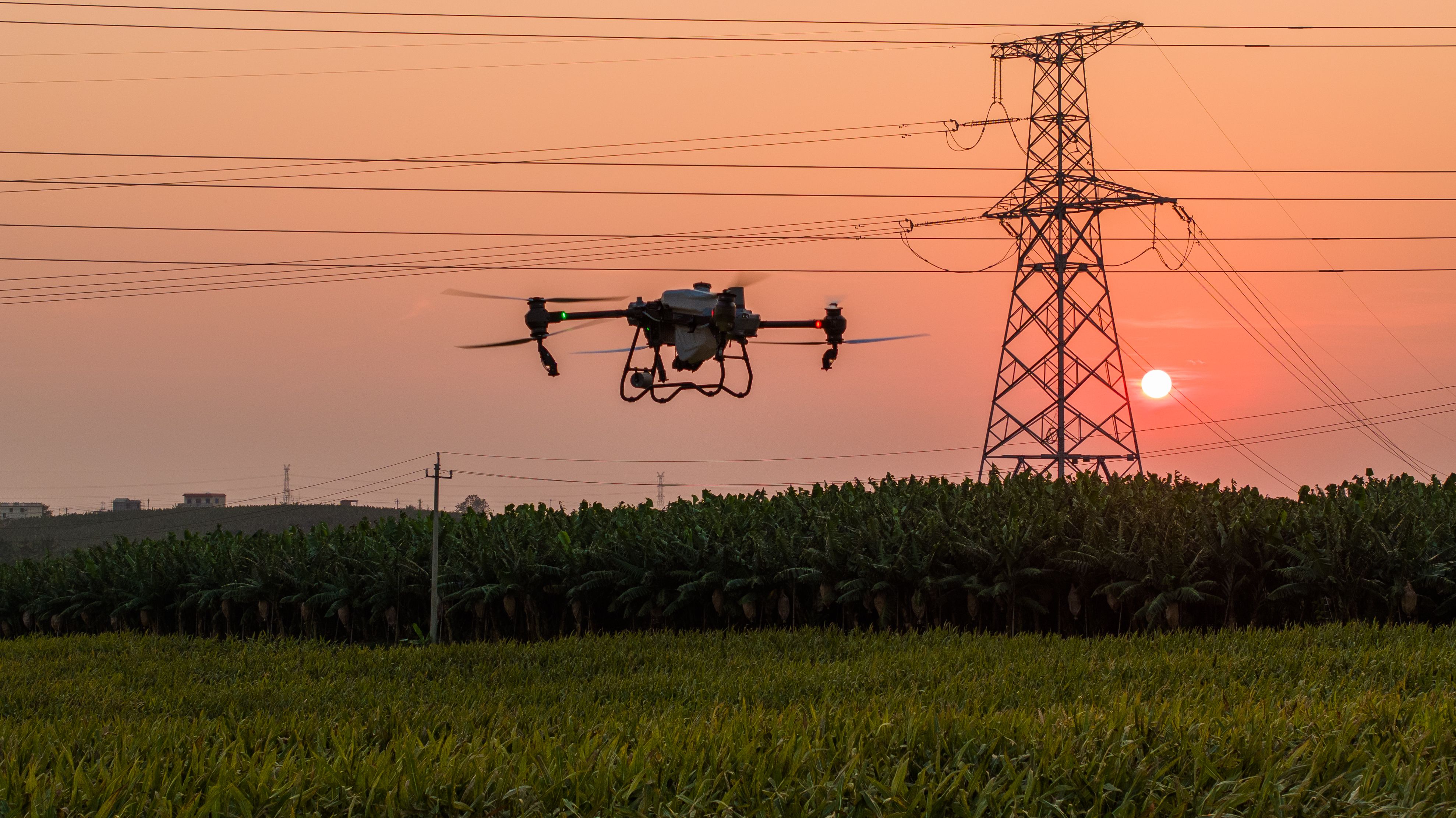
Modern agriculture is rapidly evolving as farmers adopt advanced technologies to improve crop productivity and resource efficiency. Among these innovations, agricultural drones have become powerful tools for monitoring large fields and identifying potential crop issues before they become serious problems.
Traditional field inspections often require farmers to physically walk through acres of land, which can be time-consuming and sometimes ineffective in spotting early warning signs of crop stress. Drone technology allows farmers to monitor their fields from above, providing a detailed view of crop conditions across large areas.
By collecting aerial data and high-resolution images, drones help farmers detect problems such as pest infestations, irrigation issues, and nutrient deficiencies at an early stage.
The Role of Drones in Modern Field Monitoring
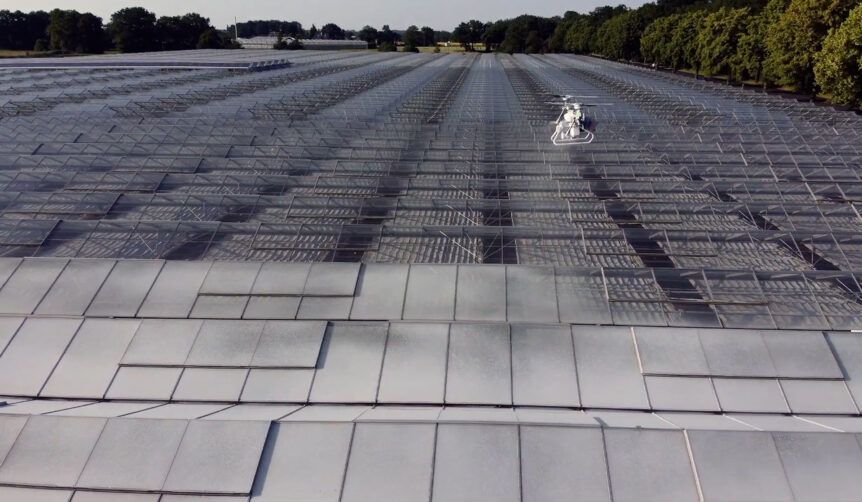
Field monitoring is one of the most valuable uses of drone technology in agriculture. With advanced imaging systems and aerial mapping capabilities, drones can survey large farms quickly and accurately.
Drone technology has become a key component of precision agriculture, where farmers rely on data-driven insights to make better decisions about irrigation, fertilization, and crop protection.
By analyzing aerial data, farmers can identify areas where crops may be underperforming and take corrective actions before yield losses occur.
Detecting Crop Stress Before It Spreads
One of the biggest advantages of drone monitoring is the ability to detect early signs of crop stress. These signs may not be visible from ground level but can be clearly observed from aerial imagery.
Drone inspections help farmers detect problems such as:
- Uneven crop growth
- Pest or disease outbreaks
- Irrigation issues
- Nutrient deficiencies
Early detection allows farmers to respond quickly, preventing small issues from spreading across the field.
Technologies used in precision agricultural drone systems make it easier for farmers to monitor crop health and improve overall farm management.
Supporting More Accurate Aerial Applications
Once crop issues are identified, drones can also assist in applying treatments precisely where they are needed. This reduces unnecessary chemical use and ensures crops receive targeted care.
Drone-based spraying is becoming increasingly popular because it offers improved coverage and efficiency compared to traditional spraying methods.
Farmers who use precision drone spraying for modern farms can treat affected crop areas with greater accuracy and reduce waste.
These targeted applications help improve crop protection while lowering operational costs.
Improving Efficiency on Large Farms
Large farms often face challenges when monitoring hundreds or even thousands of acres. Drones allow farmers to quickly survey entire fields and identify issues without spending hours inspecting crops manually.
Drone technology has already begun transforming farming operations across the United States. In regions with large agricultural operations, services like agricultural drone services in California provide farmers with advanced aerial solutions that improve efficiency and productivity.
By using drone services, farmers gain access to specialized expertise and advanced equipment without needing to operate the drones themselves.
Preparing Fields for Drone-Based Applications
To maximize the benefits of agricultural drones, farms must be properly prepared for aerial operations. Field planning ensures drones can safely and effectively perform monitoring and spraying tasks.
Preparation steps may include evaluating field layout, identifying obstacles, and ensuring crops are suitable for aerial treatments.
Farmers who want to prepare their fields effectively can follow best practices outlined in how to prepare fields for drone application.
Proper preparation ensures drones can operate safely while delivering accurate results.
Supporting Sustainable Farming Practices
Sustainability is becoming a major focus in modern agriculture. Farmers are seeking ways to reduce chemical use, conserve water, and improve resource management.
Agricultural drones support sustainable farming by enabling targeted crop treatment and reducing unnecessary applications of pesticides or fertilizers.
Innovations in drone technology are helping farms transition toward more sustainable practices, as discussed in the role of agricultural drones in sustainable farming.
By applying treatments only where needed, farmers can protect both crop yields and environmental resources.
The Growing Importance of Drone Services in Agriculture
As agricultural technology continues to advance, drone services are becoming an essential part of farm management. From monitoring crop health to performing aerial spraying, drones offer solutions that save time, reduce costs, and improve decision-making.
Professional drone providers offer specialized expertise and equipment designed for agricultural operations. Many farms rely on professional drone services to perform detailed field analysis and aerial applications efficiently.
These services allow farmers to take full advantage of drone technology without needing to manage the equipment themselves.
Final Thoughts
Agricultural drones are transforming the way farmers monitor crops and manage field operations. By providing detailed aerial insights, drones allow farmers to detect crop problems early, apply treatments precisely, and improve overall farm productivity.
From early crop monitoring to targeted aerial spraying, drone technology offers powerful tools that help modern agriculture operate more efficiently and sustainably.
As farms continue adopting precision agriculture techniques, drones will play an increasingly important role in helping farmers protect crop health and maximize yields.