Every grower knows the feeling. A pest pressure report comes in, the weather forecast shows a narrow window of calm air, and there are hundreds of acres that need treatment before conditions change. In that moment, the question is no longer whether a drone can do the job. It is whether the job can be finished in time.
That is where agricultural drone fleets change the equation. Instead of one drone working its way across a field pass by pass, several drones work the same field together, each assigned its own section, all supported by a coordinated ground crew. The result is faster coverage, better timing and the ability to protect more acres when it matters most. In this guide, we explain how drone fleets work, why they matter for Southern California farms and what growers should know before scheduling a multi drone application.
Why a Single Drone Has Limits on Large Acreage
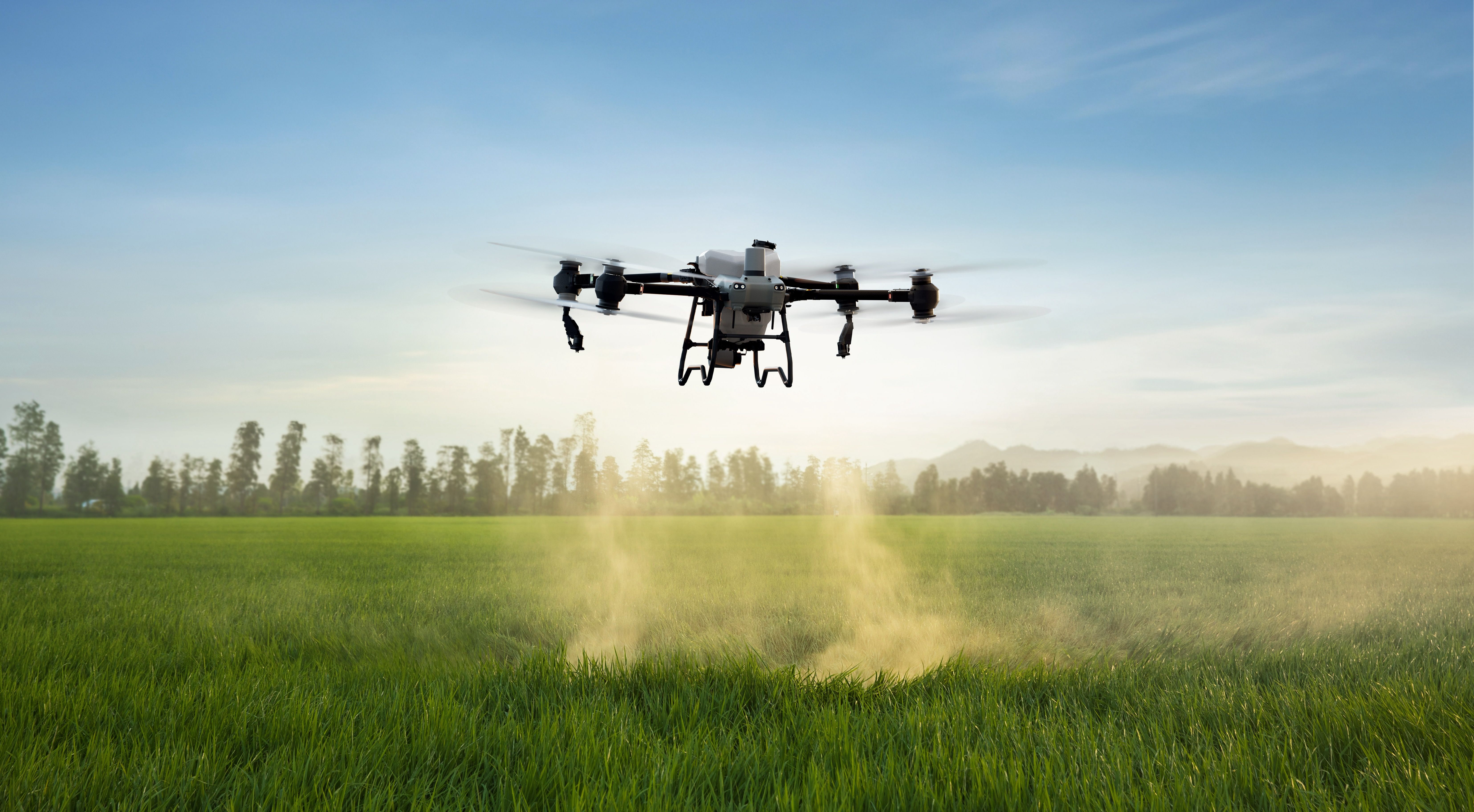
A single spray drone is a remarkably efficient tool. It applies product precisely, works on wet ground where tractors cannot go and reaches steep or uneven terrain with ease. If you are new to the technology, our overview of what aerial application is covers the fundamentals.
Still, every drone has practical limits. Tank capacity determines how much product it carries per flight. Battery life determines how long it stays in the air. Each refill and battery swap takes time, and on a large block those minutes add up across the day. For a few dozen acres, a single drone is often all you need. For hundreds of acres under a tight deadline, one aircraft can struggle to finish before the best application window closes.
Timing is everything in crop protection. Wind, rising temperatures, irrigation schedules, harvest dates and fast moving pest or disease pressure can all shrink the window for an effective treatment. Finishing a field hours or days late can reduce effectiveness and increase the risk of crop loss.
How Agricultural Drone Fleets Work
A drone fleet operation is far more than several aircraft flying at once. It is a carefully planned system that combines mapping, flight planning, logistics and communication.
Mapping and Dividing the Field
Every fleet mission begins with an accurate map of the field. Boundaries, obstacles, power lines, tree lines, buildings and no spray zones are identified before any drone leaves the ground. The field is then divided into zones, and each drone receives its own section with planned flight paths. This prevents overlap between aircraft, avoids gaps in coverage and keeps every drone working efficiently. Our article on drone mapping for farm field management explains how this data supports precise application.
Coordinated Flight Operations
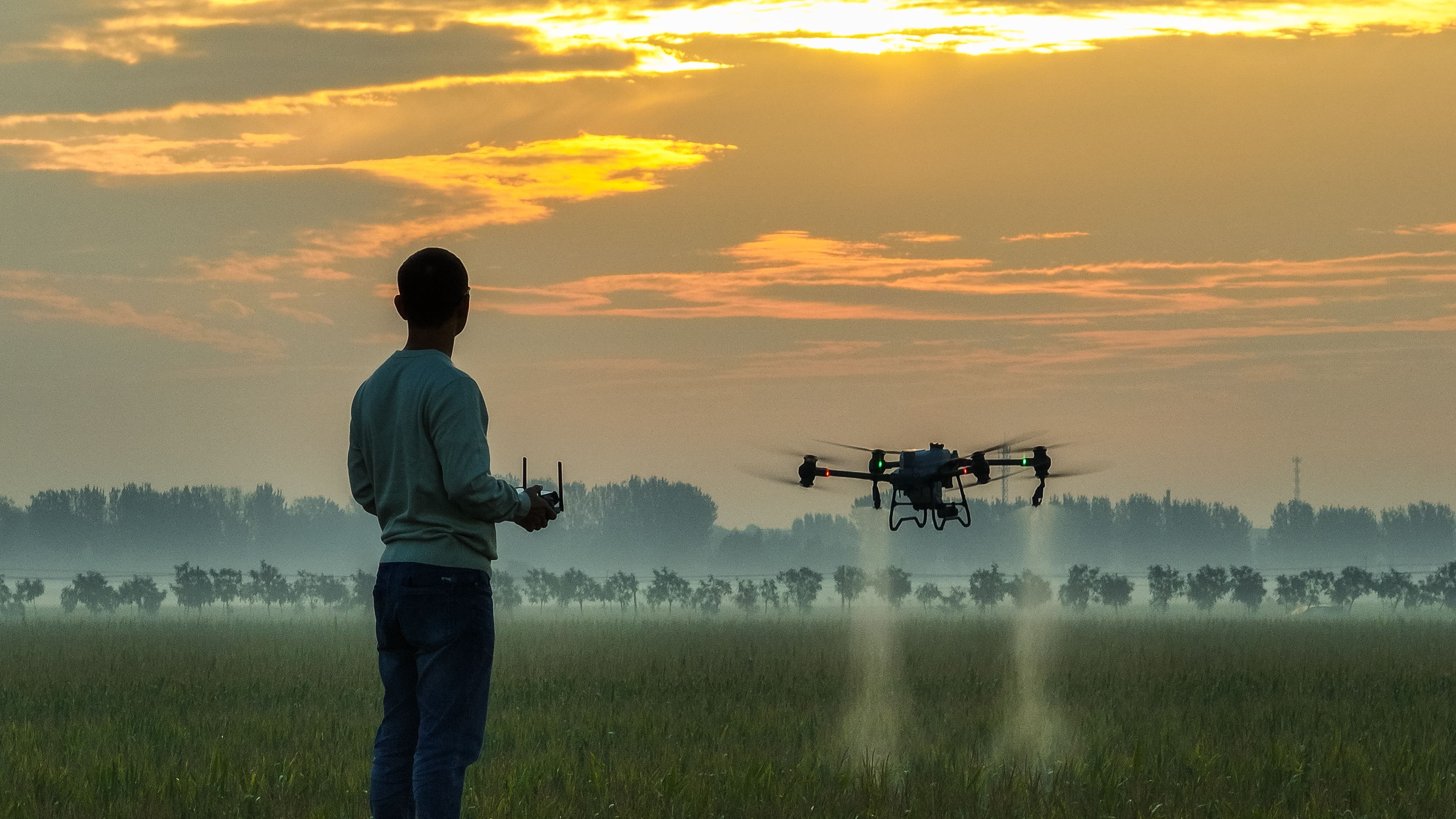
Once zones are assigned, the drones fly their routes simultaneously. Each aircraft follows its programmed path at a consistent height, speed and application rate, so coverage stays uniform across the entire field. Operators monitor every aircraft in real time and make adjustments as conditions change. Drones are spaced and sequenced to keep safe distances from one another throughout the mission.
Ground Crew and Logistics
The ground crew is the engine behind a successful fleet operation. Team members mix product to label rates, refill tanks, swap and charge batteries and keep the turnaround time for each drone as short as possible. A well organized staging area, positioned to minimize travel distance, allows aircraft to land, reload and return to work with minimal downtime. The amount of planning that happens before flights begin is explored further in what happens before a drone ever takes off.
The Benefits of Using Multiple Drones on One Field
Faster Coverage When Timing Matters
The clearest advantage of agricultural drone fleets is speed. When several drones share a field, total application time drops dramatically. That makes it possible to complete large blocks within the same morning window, before afternoon winds or heat create less favorable conditions.
Better Use of Ideal Weather Windows
In Southern California, calm mornings often provide the best conditions for application, while winds and heat build as the day goes on. Covering more acres during those prime hours improves the consistency of every treatment. Fleets help growers get the most out of short windows instead of stretching an application across several days of changing weather.
Rapid Response to Pest and Disease Pressure
When a pest outbreak or disease threat appears, fast action protects yield. A fleet can respond to urgent situations across large acreage far more quickly than a single aircraft. This flexibility fits naturally into a year round crop protection plan, which we discuss in drones in seasonal farm planning, from emergency response to routine care.
Consistent, Uniform Application
Because each drone follows precise, preplanned flight paths, coverage remains even from one end of the field to the other. Uniform application helps products perform as intended and supports consistent crop health across every zone. Our guide to precision drone spraying for modern farms explains why precision matters so much.
Less Disruption to Farm Operations
Shorter application windows mean irrigation, harvest crews and other field activities resume sooner. Drones also apply product without driving through rows, which avoids soil compaction and crop damage associated with ground equipment.
Where Drone Fleets Make the Biggest Impact
Not every job needs multiple drones, but several situations benefit greatly from a fleet approach.
Large row crop and field crop operations. Big, open fields are ideal for fleets because aircraft can work long, efficient routes across wide areas.
Orchards and vineyards. Citrus, avocados, almonds and grapes often grow on large blocks or sloped ground where tractors struggle. Fleets cover these acres quickly while maintaining precise application. Our article on drone spraying for vineyards and specialty crops in Southern California explores these crops in detail.
Steep and complex terrain. Hillsides, terraces and irregular fields can be difficult or unsafe for ground rigs. Drone fleets handle these areas efficiently through our complex terrain applications.
Time sensitive treatments. Fungicide programs, pest outbreaks and pre harvest applications often require completing large areas quickly.
Seeding and spreading. Fleets also accelerate dry applications such as cover crop seeding and granular spreading, helping growers finish large plantings during ideal planting windows.
Drone Fleets vs Traditional Application Methods
Ground rigs remain useful for many tasks, but they can damage crops, compact soil and struggle on wet or steep ground. Manned aircraft cover large acreage quickly, yet they can be less precise near sensitive areas and may not be practical for smaller or irregular blocks.
Agricultural drone fleets sit in a valuable middle ground. They combine the speed needed for large acreage with the precision and flexibility of drone application. Growers can treat substantial areas quickly while keeping tight control over where product goes. For a detailed comparison of methods, read our article on drone spraying vs traditional spraying and which saves more.
Safety and Regulatory Compliance
Operating multiple spray drones over one field requires careful safety planning and the right certifications. Agricultural drone application is regulated at both the federal and state level, and operating several aircraft at once can involve additional approvals and requirements. Operators must also follow pesticide labels, state application rules and local restrictions.
Working with a licensed, experienced provider ensures every flight meets these requirements and keeps your operation protected. Our guide to regulatory compliance for agricultural drone spraying in California explains what responsible operators must manage before and during every mission.
How to Know If Your Farm Needs a Drone Fleet
Several questions help growers decide whether a fleet approach makes sense. How many acres need treatment at once? How narrow is the application window? Are there steep, wet or hard to reach areas? How quickly do you need to respond to pest or disease pressure? Are there sensitive areas nearby that require precise application?
If your operation covers large acreage, faces tight timing or needs rapid response, a fleet is often the most effective solution. For smaller fields or targeted problem areas, a single drone or spot treatments may be more efficient. A professional provider will recommend the right setup based on your crops, acreage and goals.
Return on investment is another key consideration. Faster, more precise application can reduce crop loss, minimize wasted product and lower labor demands. Our article on how agricultural drones improve farm ROI breaks down where those savings come from.
Agricultural Drone Fleets Across Southern California
Specialty Drone Solutions serves growers throughout Southern California and the Central Coast, including Kern County, Ventura County, Riverside County, Imperial County and San Diego County. From large row crop operations to hillside orchards and vineyards, our team plans and executes applications sized to each field.
Cover More Acres With Confidence
When timing is tight and acreage is large, one drone is not always enough. Agricultural drone fleets bring together precise mapping, coordinated flight operations and an efficient ground crew to treat more acres in less time while maintaining uniform, accurate application. That means better use of ideal weather windows, faster response to crop threats and less disruption to the rest of your operation.
Ready to protect more acres on your schedule? Contact Specialty Drone Solutions today to discuss your fields, your timing and a drone application plan built for your farm.