Modern farming is no longer defined by a single application window or a rigid seasonal checklist. Weather volatility, rising input costs, labor shortages, and tighter margins have forced growers to rethink how and when crop treatments are applied. In this environment, agricultural drones are becoming a practical planning tool rather than a last-minute solution.
What started as an emergency response option for inaccessible fields or sudden crop stress is now evolving into a reliable part of seasonal farm planning. From early-season corrections to mid-season precision treatments and late-season maintenance, drones allow farmers to respond faster, reduce field traffic, and apply inputs only where and when they are truly needed.
This article explores how drones fit into seasonal farm planning, moving beyond reactionary use toward structured, routine farm care.
Rethinking Seasonal Farm Planning in a High-Risk Environment
Traditional farm planning often assumes predictable access to fields and stable conditions throughout the season. In reality, planting delays, rainfall patterns, heat stress, pest pressure, and disease outbreaks rarely follow the calendar.
Ground-based equipment can struggle during these disruptions. Wet fields, uneven terrain, or late crop stages can limit access just when intervention is most critical. This is where drones shift the planning mindset. Instead of planning only around equipment availability, farmers can plan around crop needs.
Drones introduce flexibility into seasonal plans by allowing targeted applications regardless of soil conditions or crop height. This flexibility makes them especially valuable during periods when traditional equipment cannot operate efficiently.
To understand how drones became central to modern farm strategies, it helps to start with the basics of aerial application, including what aerial application means in modern agriculture.
Emergency Response: When Timing Matters Most
Emergency use is often the first exposure many growers have to agricultural drones. Sudden pest outbreaks, disease flare-ups, nutrient deficiencies, or weather-related damage demand immediate action. Waiting days for fields to dry or equipment to become available can result in yield loss.
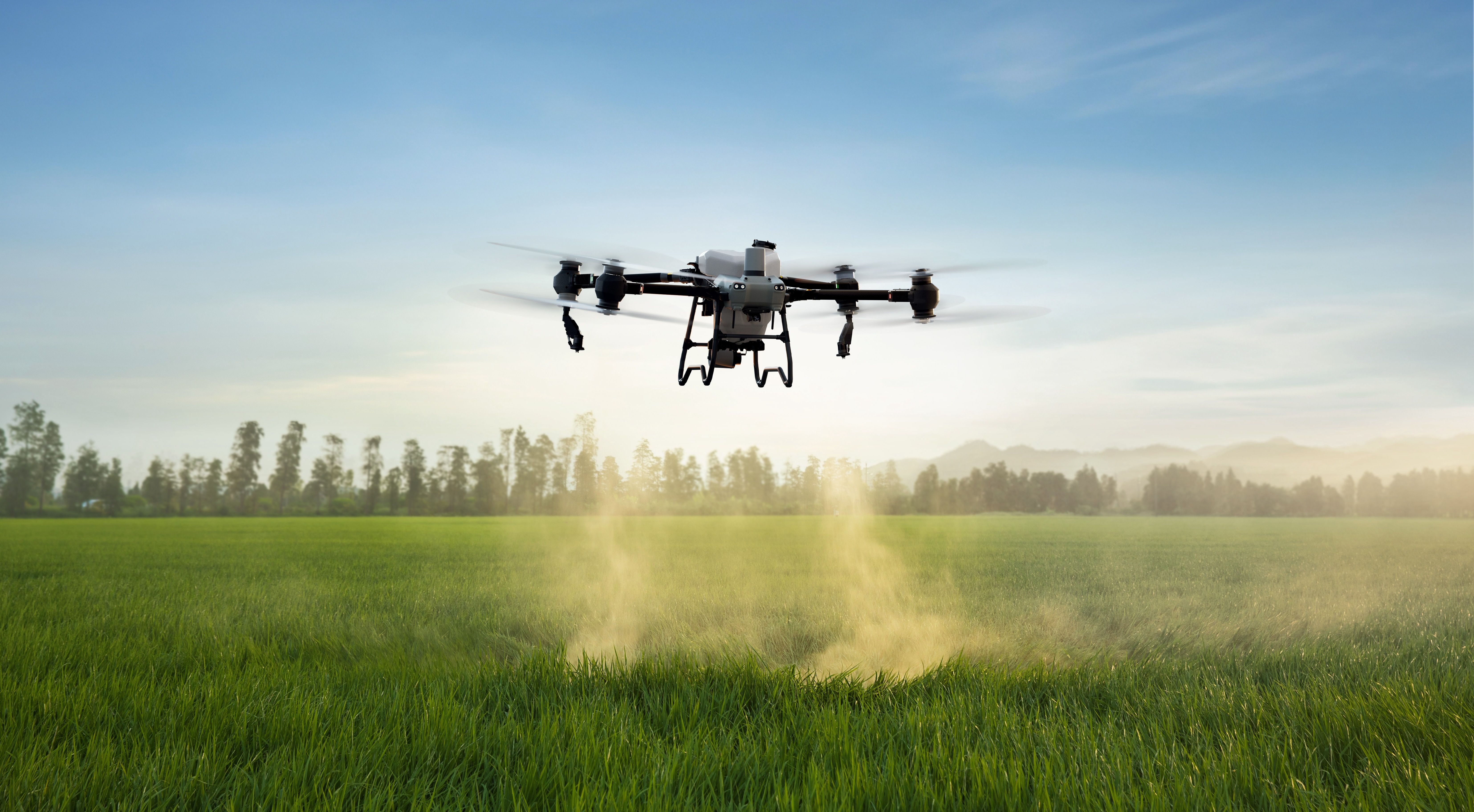
Drones excel in these moments because they remove the access barrier entirely. They can be deployed quickly, operate above the crop canopy, and deliver treatments precisely where they are needed.
For example, after heavy rainfall, ground sprayers may be sidelined for days. Drones can enter the field immediately, helping prevent disease spread or nutrient stress during critical growth stages. This is why many growers weigh the practical differences in cost, timing, and coverage, as explained in drone spraying vs traditional spraying and what saves more.
While emergency response is valuable, relying on drones only during crises underutilizes their full potential.
Transitioning From Reactive to Planned Use
As growers gain confidence in drone applications, many begin incorporating them into seasonal plans rather than treating them as a backup option. This shift changes how farms approach crop care.
Instead of asking, “What do we do when we can’t access the field?” the question becomes, “Where does drone application make the most sense this season?”
This transition often starts with identifying high-risk periods such as early vegetative growth, flowering stages, or times when weather patterns historically disrupt ground operations. Drones are then scheduled proactively for these windows.
This planning-first approach aligns closely with precision-driven decision making. For a strong baseline on how drones connect to modern precision practices, see precision drone agriculture and targeted field decisions.
Early-Season Applications: Setting the Foundation
The early season sets the tone for crop performance. Poor early growth, uneven emergence, or missed nutrient timing can affect yield potential for the rest of the year.
Drones are particularly useful during early stages because they minimize soil disturbance and compaction. Unlike tractors or sprayers, drones never touch the field surface, preserving soil structure when it is most vulnerable.
Early-season drone applications may include:
- Starter nutrients or micronutrients
- Early pest or disease prevention
- Spot treatments for uneven emergence
- Corrective applications in sensitive areas
By addressing issues early without increasing field traffic, farmers create a stronger foundation for mid-season performance. This approach also supports low-impact field practices, which connects well with the role of agricultural drones in sustainable farming.
Mid-Season Precision: Maintaining Momentum
Mid-season is often the most demanding phase of crop management. Canopies are dense, equipment clearance becomes an issue, and the margin for error narrows. At the same time, crop needs become more variable across the field.
Drones allow growers to maintain crop momentum by delivering precise treatments without damaging plants or compacting soil. They can be used for fungicide applications, nutrient supplementation, and targeted pest control at stages when ground rigs may cause physical crop damage.
This precision becomes especially valuable in diversified fields where different zones require different treatments. Instead of uniform applications, drones enable a variable response based on actual field conditions.
If your readers want a clearer look at how “precision” becomes a practical farm tool, you can reference precision agricultural drone application strategies.
Late-Season Care and Yield Protection
As crops approach maturity, access challenges increase again. Tall crops, lodging risks, and narrow harvest windows all complicate late-season treatments.
Drones offer a low-impact way to protect yield potential without interfering with harvest readiness. Late-season applications may focus on disease suppression, late nutrition balancing, or quick-response treatments during narrow weather windows.
Because drones operate above the canopy, they reduce physical stress on crops during sensitive stages. This makes them a practical option for protecting quality as well as quantity.
Integrating Drones Into Long-Term Farm Operations
Seasonal planning is not just about individual applications. It is about building a repeatable, efficient workflow that supports long-term productivity.
Many farms now integrate drones into their operational planning alongside traditional equipment rather than viewing them as competitors. Ground equipment handles bulk applications when conditions allow, while drones handle precision, timing-critical, or access-restricted tasks.
This hybrid model improves efficiency across the entire season. It also reduces wear on heavy machinery, lowers fuel use, and minimizes soil disruption.
For farms in California, it can help to connect planning strategy to local execution by linking to agricultural drone services in California.
Weather Volatility and Seasonal Adaptability
Weather uncertainty is one of the biggest challenges in seasonal farm planning. Drones provide adaptability when forecasts change unexpectedly.
Instead of delaying applications or risking field damage, farmers can adjust plans quickly. Drones allow short-notice deployment, making it easier to align treatments with narrow weather windows.
This adaptability reduces stress on farm operations and helps maintain treatment effectiveness. It also reinforces the value of drones as a planning tool rather than an emergency measure alone.
Economic Benefits Beyond Input Savings
While much of the conversation around drones focuses on input savings, the economic benefits extend further. Reduced crop damage, fewer field passes, lower labor requirements, and better timing all contribute to overall efficiency.
When drones are integrated into seasonal planning, they help prevent small issues from turning into expensive problems. Early correction often costs less than late-season recovery.
To connect these benefits back to your core offering, reference agricultural drone spraying services and how they fit seasonal plans.
Building a Smarter Seasonal Plan With Drones
Successful seasonal planning is no longer about choosing between traditional equipment and drones. It is about using the right tool at the right time.
By incorporating drones into early, mid, and late-season strategies, farmers gain flexibility, precision, and resilience. Emergency response remains important, but the real value appears when drones become part of routine farm care.
If you want to reinforce your regional relevance and services without repeating earlier topics, these links work well in a “learn more” section:
- Drone spraying in California
- Drone spraying for agriculture in California
- Precision drone services for California farms
- Precision agricultural drone overview
From emergency response to routine care, drones have earned their place in seasonal farm planning. They provide speed when timing is critical, precision when accuracy matters, and flexibility when conditions change.
As farming continues to evolve, drones are no longer just a solution for hard-to-reach fields. They are a practical tool for growers who want better control and more predictable outcomes across the entire season.
When used thoughtfully, drones help transform seasonal planning from a rigid schedule into a responsive, crop-focused system that supports productivity and long-term field health.