Farming has always been a balance between risk and reward. Weather conditions, soil variability, pest pressure, and rising input costs make it increasingly difficult for farmers to maintain profitability. In this environment, relying on guesswork is no longer sustainable.
Modern agriculture is shifting toward data-driven decision-making, and drone technology is playing a central role in this transformation. By providing accurate, real-time insights, drones help farmers make smarter choices that directly impact productivity and profitability.
Companies like Specialty Drone Solutions are helping farms transition from traditional practices to precision-driven strategies that maximize return on investment (ROI).
Why ROI Matters More Than Ever in Agriculture
Farm profitability depends on managing both yield and cost efficiency.
Key Challenges Farmers Face
- Rising fertilizer and chemical costs
- Labor shortages
- Climate variability
- Increasing land management complexity
Improving ROI means producing more with fewer resources while minimizing risks.
What Does Data-Driven Farming Really Mean?
Data-driven farming uses real-time information to guide decisions instead of relying solely on experience or assumptions.
Core Elements
- Field data collection
- Analysis of crop health
- Targeted interventions
Drones provide a fast and accurate way to gather this data, making them a valuable tool for modern farms.
How Drones Transform Farm Data Collection
Traditional field scouting is time-consuming and often incomplete.
Limitations of Manual Scouting
- Covers limited areas
- Time-intensive
- Prone to human error
Drone technology eliminates these challenges by capturing detailed aerial data across entire fields in minutes.
For a deeper look, visit drone mapping for farm field management .
Turning Data Into Actionable Insights
Collecting data is only useful if it leads to better decisions.
What Drone Data Reveals
- Crop stress zones
- Irrigation inconsistencies
- Nutrient deficiencies
These insights allow farmers to act quickly and precisely.
Reducing Input Costs with Targeted Applications
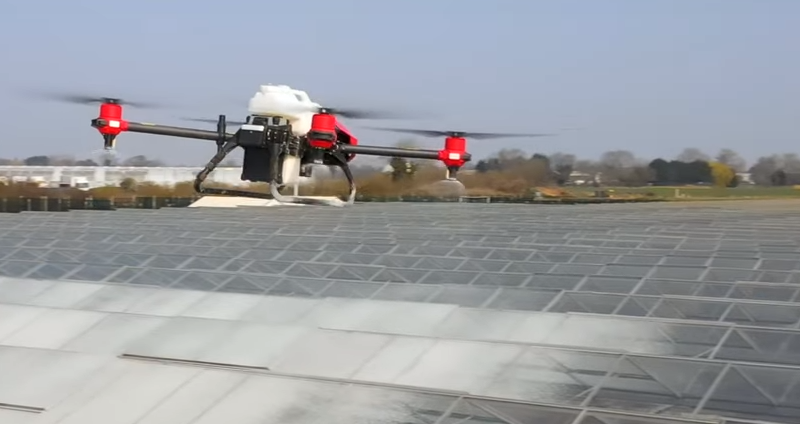
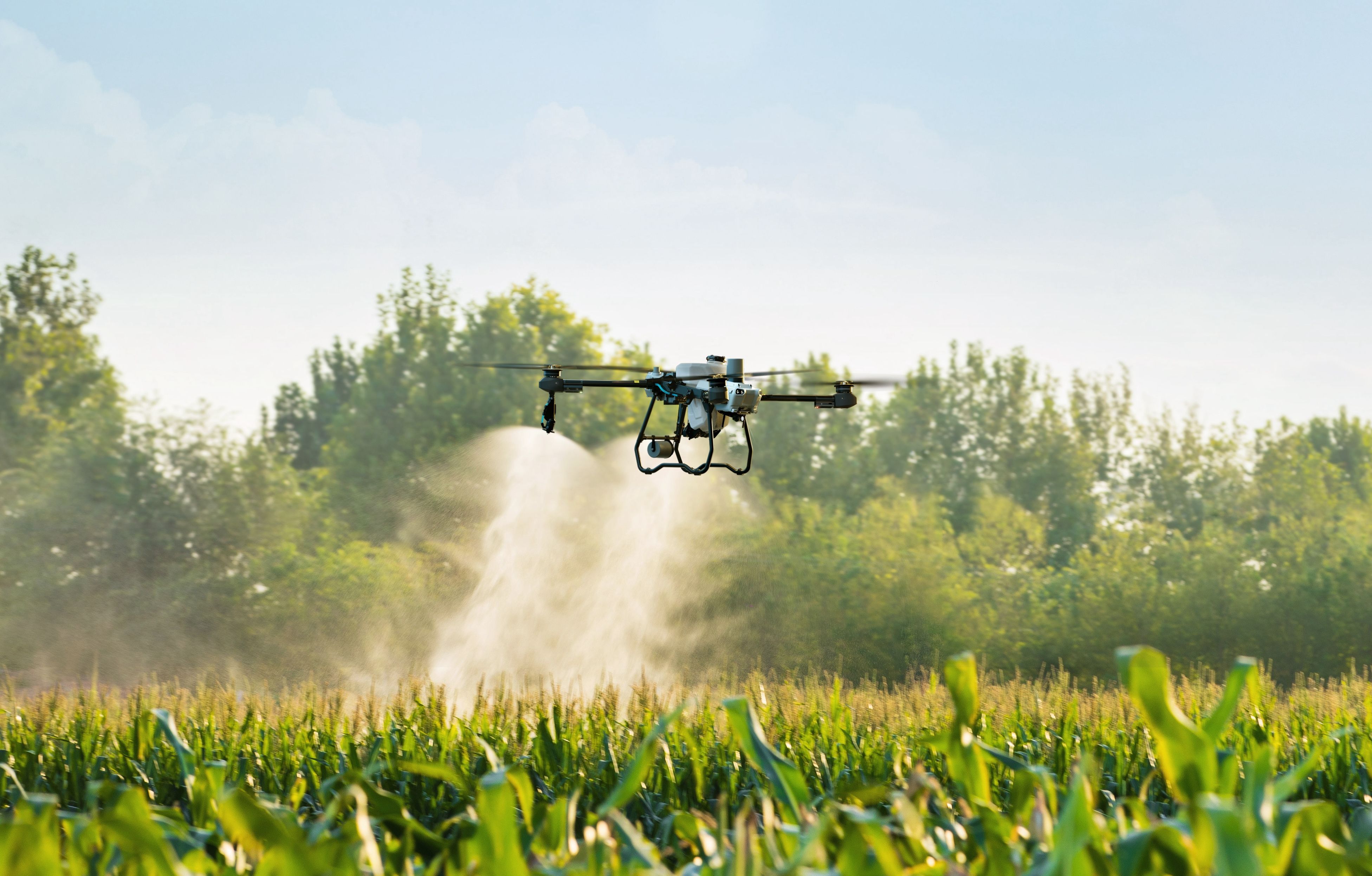
One of the biggest advantages of drone technology is precision.
How It Saves Money
- Apply fertilizers only where needed
- Reduce pesticide usage
- Minimize waste
Targeted application ensures that resources are used efficiently, directly improving ROI.
Learn more about precision application at precision drone spraying for modern farms .
Improving Crop Yields Through Early Intervention
Early detection of problems can make a significant difference in yield.
Common Issues Drones Identify Early
- Pest infestations
- Disease outbreaks
- Water stress
Addressing these issues early prevents yield loss and improves overall productivity.
Explore detection methods here how drones detect crop problems early.
Enhancing Field Efficiency and Time Management
Time is a critical resource in farming.
How Drones Improve Efficiency
- Faster field inspections
- Reduced labor requirements
- Quick data analysis
This allows farmers to focus on decision-making rather than manual tasks.
Optimizing Irrigation Management
Water management is essential for crop health and cost control.
Benefits of Drone Insights
- Identify overwatered or dry areas
- Improve irrigation planning
- Reduce water waste
Efficient irrigation lowers costs while improving crop performance.
Minimizing Risk Through Better Planning
Agriculture involves significant risk, but data can reduce uncertainty.
How Drones Help Manage Risk
- Provide real-time updates
- Enable proactive decision-making
- Reduce reliance on guesswork
Better planning leads to more consistent outcomes.
Supporting Large-Scale Farm Operations
Managing large farms can be challenging without the right tools.
Advantages for Large Farms
- Monitor vast areas quickly
- Standardize data collection
- Improve operational consistency
Drone technology ensures that no part of the field is overlooked.
Integrating Drone Data with Farm Management Systems
Modern farms use multiple tools and systems.
Integration Benefits
- Centralized data analysis
- Improved decision-making
- Better tracking of performance
This creates a complete picture of farm operations.
The Financial Impact of Drone Adoption
Investing in drone technology may seem like an additional cost, but the financial benefits often outweigh the investment.
Key ROI Drivers
- Reduced input costs
- Increased yields
- Lower labor expenses
- Improved resource efficiency
Over time, these benefits significantly improve profitability.
Sustainability and Long-Term Profitability
Sustainable farming practices are becoming increasingly important.
How Drones Support Sustainability
- Reduce chemical usage
- Optimize resource allocation
- Improve soil and crop health
Sustainability and profitability often go hand in hand.
Overcoming Barriers to Drone Adoption
Some farmers hesitate to adopt new technology.
Common Concerns
- Initial investment
- Learning curve
- Integration challenges
Working with experienced providers simplifies the transition and ensures success.
Why Professional Drone Services Make a Difference
Not all drone solutions are equal.
A professional provider like Specialty Drone Solutions offers:
- Advanced technology
- Expert analysis
- Reliable data interpretation
This ensures that farmers get actionable insights rather than just raw data.
Real-World Applications Across Crop Types
Drone technology is versatile and can be used across different farming operations.
Examples
- Row crops
- Orchards
- Specialty crops
Each application benefits from improved monitoring and precision management.
Future-Proofing Your Farm with Technology
Agriculture is evolving rapidly, and technology adoption is key to staying competitive.
Emerging Trends
- AI-driven analytics
- Automated drone operations
- Real-time decision systems
Farmers who embrace these trends will be better positioned for long-term success.
Building a Data-Driven Farming Strategy
To maximize ROI with drones:
- Start with clear goals
- Collect accurate field data
- Analyze and interpret results
- Implement targeted actions
- Monitor outcomes and adjust
This structured approach ensures consistent improvement.
Final Thoughts
Agricultural drones are more than just a technological innovation they are a practical tool for improving farm profitability. By enabling data-driven decisions, reducing input costs, and increasing yields, drones provide a clear path to better ROI.
In today’s competitive agricultural landscape, success depends on efficiency, precision, and adaptability. Drone technology delivers all three, helping farmers make smarter decisions and achieve sustainable growth.
Partnering with experienced providers ensures that this technology is used effectively, turning data into real results. For farms looking to improve performance and profitability, adopting drone solutions is no longer optional; it's a strategic advantage.