What Farmers Should Do Before the First Flight
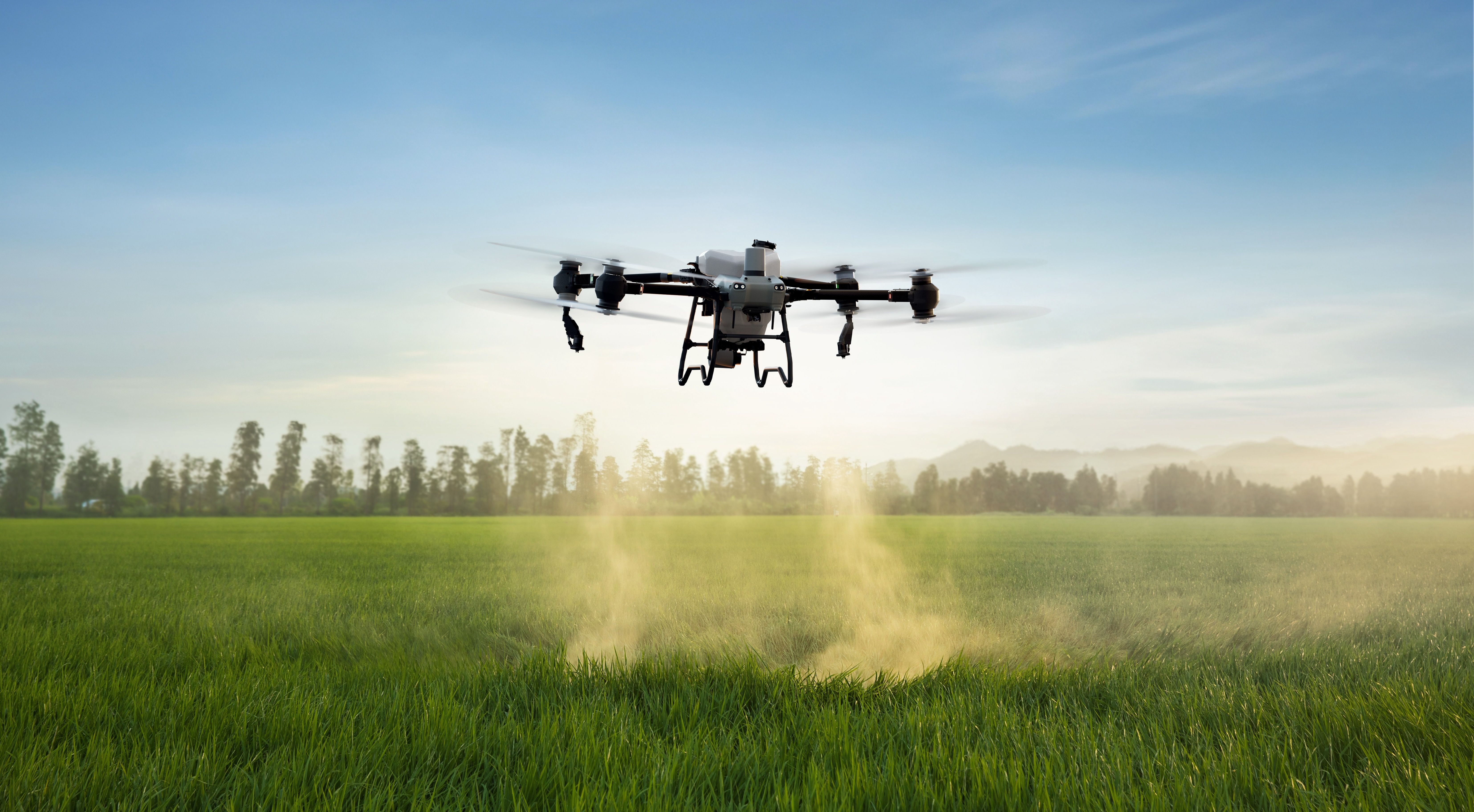
Drone-based agricultural application is changing how farms approach spraying and spreading. For many growers, the first drone flight is a major step toward better control, reduced waste, and lower operating costs. But successful drone application does not start in the air. It starts on the ground.
Preparing your fields properly before the first flight plays a big role in how effective the application will be. Field layout, crop condition, access points, and timing all affect coverage quality and final results. Farms that prepare early tend to see smoother operations and better outcomes from day one.
This guide covers the key steps farmers should take before bringing drone application into their operation for the first time.
Why field preparation matters for drone application
Unlike traditional ground rigs or aerial planes, drones rely on accurate field information and clean operating conditions. Drones can reduce soil compaction and offer targeted treatment, but they still need thoughtful planning to perform at their best.
Unprepared fields can lead to missed areas, uneven coverage, delays, or repeat flights. Proper preparation helps ensure the drone team can deliver consistent application rates and uniform coverage.
If you want a broader view of how drone services are being used on farms across the state, explore how precision drone services support California farms through smarter, more controlled applications.
Step 1: Confirm field boundaries and sensitive areas
Before any drone application begins, it helps to confirm the exact boundaries of each field. Clear boundaries allow the drone operator to create accurate flight lines and reduce the chances of overlap or skipped edges.
Things to mark or note:
- Irregular field corners
- Fence lines and property boundaries
- Ditches, canals, creeks, and water edges
- Nearby homes, roads, or public areas
- Neighboring crops with different spray requirements
This step also helps identify buffer zones and areas that should be avoided or handled carefully.
If you’re new to modern drone application methods, reading what aerial application means in agriculture helps frame why boundaries and buffers matter so much.
Step 2: Map the field for clean flight planning
Field mapping is one of the most important parts of preparing for drone spraying. Mapping gives the operator a clear picture of:
- Field size and shape
- Obstacles and restricted zones
- Flight line direction
- Launch and landing points
Mapped fields allow a drone crew to operate efficiently and keep the application uniform across the field.
To understand the tech behind precision placement and repeatable coverage, review how a precision agricultural drone supports accurate application in real field conditions.
Step 3: Check crop stage, canopy density, and problem zones
Drone application works best when timing matches crop needs. Before scheduling the first flight, check:
- Crop growth stage
- Canopy thickness and height
- Areas showing stress, pests, or disease
- Spots with uneven growth that may need special attention
Even with accurate flight planning, applying at the wrong moment can reduce results. The goal is not only coverage, but effective coverage based on crop condition.
If your operation is trying to reduce waste and limit overuse of inputs, this guide on the role of agricultural drones in sustainable farming is useful for aligning application timing with long-term goals.
Step 4: Identify obstacles that can affect flight lines
Drones handle fields differently than tractors, but obstacles still matter. Before the first flight, identify anything that could interfere with safe and clean flight paths, such as:
- Power lines and poles
- Tall trees or windbreaks
- Pivot irrigation towers
- Farm structures and barns
- Antennas, cables, or staging areas
A quick walk or review of the field layout can prevent last-minute delays.
When obstacles are known in advance, operators can plan safer routes while keeping coverage consistent.
Step 5: Choose a practical launch and staging area
Drone application requires a launch and landing zone that’s safe, clear, and accessible. Ideally, pick an area that:
- Has flat, stable ground
- Is free from loose debris
- Has enough room for equipment staging
- Can be reached by a service vehicle easily
- Keeps foot and vehicle traffic away from treated zones
Prepping this area ahead of time saves time on application day and makes operations smoother.
For growers exploring full-service options, it helps to understand what to expect from agricultural drone services in California and how crews typically set up on-site.
Step 6: Plan around weather and field timing
Weather still matters even though drones can work in conditions that stop some ground equipment. Before flight day, check:
- Wind speed and direction
- Temperature swings
- Humidity
- Rain chances
- Morning dew conditions
Stable conditions improve droplet placement and reduce drift risk. Timing is often the difference between “coverage happened” and “coverage worked.”
If you want a practical comparison, this breakdown of drone spraying vs traditional spraying and what saves more helps explain why timing and control matter so much.
Step 7: Confirm product plan and application rates
Before flight, make sure both the farmer and the drone team agree on the application plan:
- Which product is being applied
- Target application rate
- Field sections that need extra attention
- No-spray zones and buffers
- Refill planning and total acreage
This helps the crew avoid assumptions and keeps results consistent.
If your farm is specifically focused on drone spraying operations, this overview of drone spraying in California provides useful context for how the service is typically structured.
Step 8: Know the basics of drone spraying requirements
Even if you’re hiring a service provider, it helps to understand the operating requirements involved in drone spraying. A professional provider will handle licensing and compliance, but farmers should still be aware of:
- Product label restrictions
- Drift control considerations
- Application records and documentation
- Buffer practices around sensitive areas
This is especially relevant for farms switching from ground rigs to drones for the first time.
For a deeper explanation of how farm spraying works using drones, read drone spraying for agriculture in California to see what the process involves.
Step 9: Decide how you will evaluate results after the flight
The best farms treat the first flight as the start of an ongoing system, not a one-time event. After application, plan to evaluate:
- Coverage consistency across the field
- Crop response over the following days
- Any missed areas near boundaries or obstacles
- Whether timing matched the crop stage properly
If needed, your next flight plan can be adjusted based on what you learn.
To understand how precision fits into repeat applications over a season, this page on precision drone agriculture and targeted coverage is a good reference.
Step 10: Build a repeatable process for future applications
Once the first drone application goes well, you can start building a repeatable workflow for the season:
- Maintain updated field maps
- Keep obstacle notes current
- Track crop stage timing windows
- Use post-flight learnings to refine future applications
Over time, farms use drone spraying to reduce waste, avoid soil compaction, and treat fields more evenly.
If you want a clear overview of drone spraying as a service category, this guide to agricultural drone spraying services can help you align planning with what modern operations are doing today.
Final checklist before the first flight
Here’s a simple checklist you can use 24 to 48 hours before application:
- Confirm field boundaries and buffers
- Ensure the field is mapped and obstacles are noted
- Check crop stage and canopy conditions
- Choose a clean launch and staging area
- Review weather and pick the best time window
- Confirm product plan, rates, and priority zones
- Decide how you will evaluate results after application
Ready to schedule your first drone application?
Field preparation makes the first flight easier, safer, and more effective. When farmers handle the key steps ahead of time, drone application becomes a reliable tool that fits into the season rather than interrupting it.
To learn more about services and how drone applications can fit into your operation, visit the Specialty Drone Solutions home page for precision farm applications.