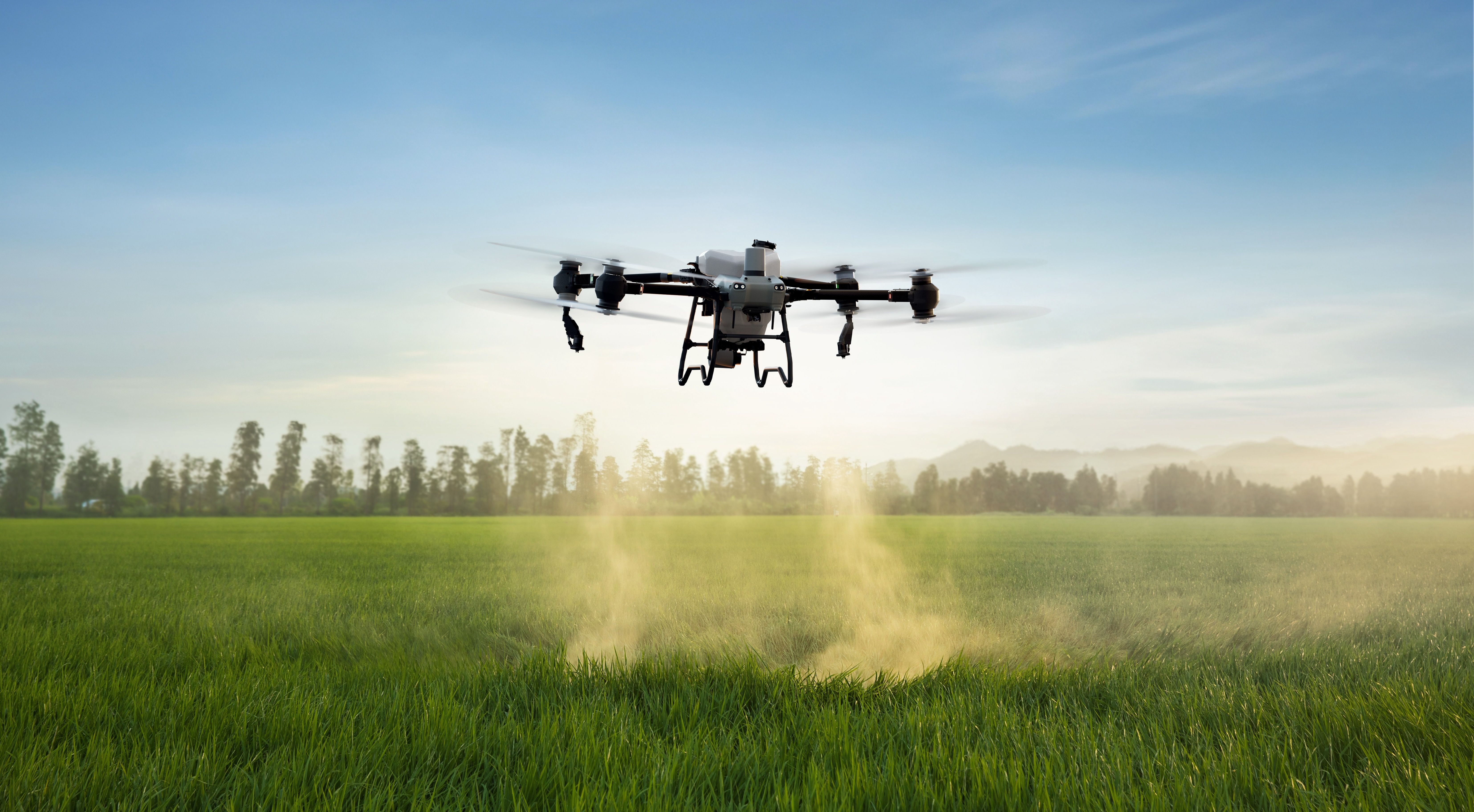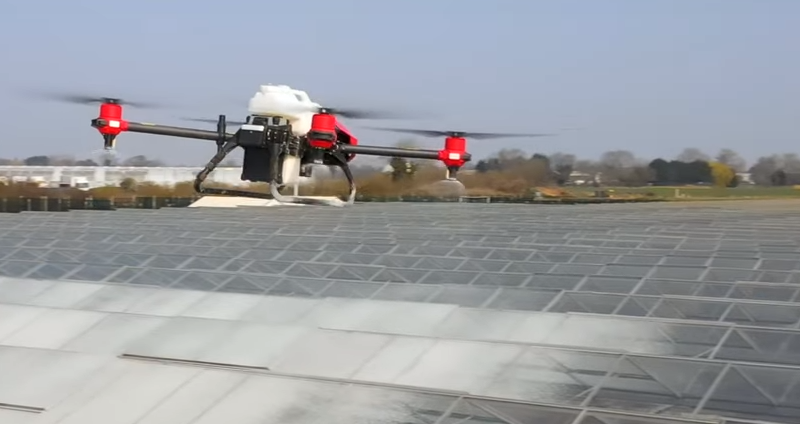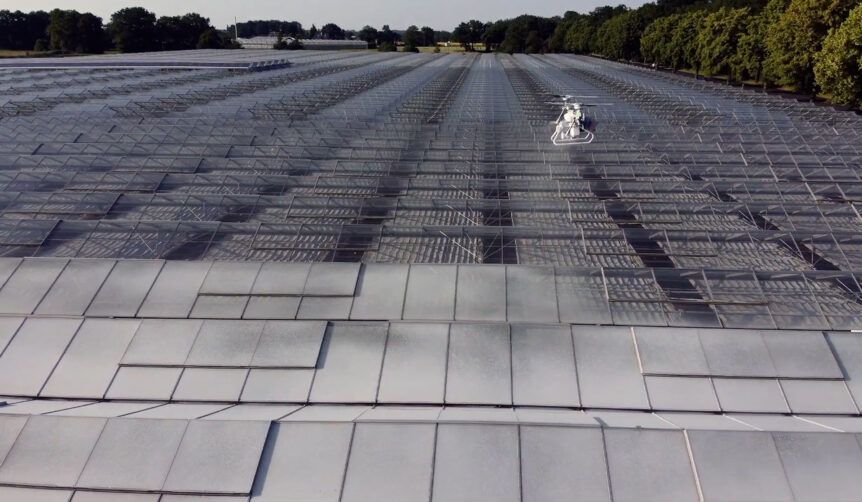
Drone spraying gets most of the attention in precision agriculture, and for good reason. The ability to apply liquid pesticides and fertilizers from the air with GPS-guided precision and without soil compaction has changed the economics of crop protection for many California farm operations. But the drone's ability to carry and distribute material from the air is not limited to liquids. Granular materials, including dry fertilizers, biochar, cover crop seed, pelleted pest controls, and other dry inputs, can be spread with the same precision, the same terrain independence, and the same soil protection that drone spraying provides.
Specialty Drone Solutions' drone spreading service brings this capability to California farm operations that have been applying granular inputs with ground equipment and accepting the limitations that ground equipment imposes in exchange for the spreading capability they need.
What Drone Spreading Actually Does
A drone spreading system uses a hopper mounted below the aircraft that releases granular material through a spreading mechanism during the flight mission. The material falls from the aircraft and distributes across the target area in a pattern determined by the spreading mechanism's geometry, the aircraft's flight altitude, and the flight path programmed into the autonomous mission.
The spreading system handles materials within a defined particle size and density range. Granular fertilizers, biochar pellets, cover crop seed mixes, pelleted lime, insect pest controls in granular form, and other dry inputs that fall within the system's operating specifications distribute accurately over the target area.
The drone's GPS-guided flight path, the same precision navigation that guides spraying missions, controls where the material goes. A prescription map that specifies different application rates in different field zones, based on soil test results or productivity data, can be loaded into the mission plan so the drone applies different spreading rates to different zones in a single pass. This variable rate capability brings precision to granular application that broadcast spreading equipment with large booms cannot match at the field scale.
Granular Fertilizer Applications
California's specialty crop and row crop operations apply granular fertilizers for a range of nutrient management objectives. Soil-applied potassium in citrus and avocado orchards. Broadcast nitrogen for pasture renovation. Pelleted calcium applications in strawberry and vegetable production. Micronutrient granules in specific deficiency zones identified by soil sampling.
Ground equipment applying granular fertilizer in California's orchard and specialty crop environments faces the access constraints that characterize these production systems. Tree rows in established avocado and citrus orchards allow equipment through the row middle but do not allow wide-boom equipment to spread uniformly across the tree canopy zone where root uptake happens. A drone spreading the same granular fertilizer applies from above the canopy without the access constraints that ground equipment works around and without the root zone disturbance that some ground spreading equipment creates.
The agronomic case for variable rate granular application, and how drone-delivered precision nutrition compares to uniform broadcast application in California specialty crop systems, connects to the broader data-driven farming approach that uses field-specific information to direct inputs at the rates and locations where they produce returns. How drone data analytics support smart farming decisions across California farm operations is covered in drone data analytics and smart farming decisions for California growers.
Biochar Spreading by Drone
Biochar application to agricultural soil is gaining adoption among California growers who are building soil carbon, improving water holding capacity in sandy soils, and qualifying for carbon sequestration credits through verified programs. The challenge with biochar is getting it from the storage pile into the soil uniformly without the dust and application challenges that fine biochar creates for some ground spreading equipment.
Biochar in pelleted form spreads effectively through drone spreading systems. The drone applies pelleted biochar at the specified rate across the target area without the equipment access constraints that matter in specialty crop orchards and vineyards. For California growers who are applying biochar to established tree crop land where ground equipment access through tree rows limits spreading patterns, drone application delivers more uniform coverage of the full orchard floor than ground-based alternatives.
The soil compaction issue that drone application addresses is particularly relevant for biochar spreading in vineyards and orchards where soil health is an active management priority. A drone spreading biochar across an established Ventura County avocado orchard does not create the wheel track compaction that ground equipment would leave on the same pass.
Cover Crop Seeding by Drone
Specialty Drone Solutions' cover crop seeding service uses the spreading system to distribute cover crop seed mixes across fields ahead of anticipated rainfall or irrigation. The drone's terrain independence and its ability to operate over standing crops means cover crop seed can be broadcast into a cash crop canopy before the cash crop is harvested, giving the cover crop a head start on establishment before the field opens up for ground equipment.
Aerial cover crop seeding in Southern California fits the production calendars of crops where the harvest timing and the optimal cover crop seeding window overlap. Drone seeding into a standing crop that will be harvested in the next few weeks gives the cover crop seed contact with the soil while the cash crop canopy still provides some moisture retention, potentially improving germination rates compared to seeding into a dry, open field after harvest.
The cover crop seeding service that Specialty Drone Solutions provides for Southern California farms, including how timing, terrain, and technology affect cover crop establishment success, is covered in drone cover crop seeding in Southern California.
Granular Pest Control Applications
Some pest management programs use granular formulations rather than liquid sprays for specific applications. Snail and slug bait in strawberry and leafy vegetable production. Soil insecticide granules for soil pest management. Granular rodenticide for gopher and ground squirrel control in orchards and vineyards.
Applying these materials by drone over production fields provides the same coverage advantages that drone spraying provides: the ability to work in areas where ground equipment cannot access safely, the elimination of soil compaction from equipment passes, and the terrain independence that steep vineyard slopes and complex orchard layouts require.
For California growers who are applying granular pest controls in situations where ground equipment access creates operational challenges, drone spreading provides a practical alternative that maintains efficacy while removing the access limitations.
Complex Terrain Spreading Applications
Southern California's agricultural landscape includes terrain that ground spreading equipment handles poorly or cannot access at all. Steep hillside avocado orchards where tractor operation is unsafe on wet slopes. Canyon-facing vineyard blocks where the terrain limits the directions ground equipment can approach. Orchard perimeter areas adjacent to steep drainage channels or ravines where equipment cannot safely maneuver.
Specialty Drone Solutions' complex terrain drone service addresses these access-constrained spreading applications with the same capability that applies to complex terrain spraying. The drone flies the mission regardless of slope, elevation change, or terrain irregularity that would stop or slow ground equipment. Complex terrain applications for California farm operations that involve slopes, obstacles, and access constraints are covered in complex terrain drone applications for California farms.
Drone Spreading and Regulatory Compliance in California
Granular material application by drone in California follows the same regulatory framework as liquid pesticide application by drone for materials that are classified as pesticides under California law. The California Department of Pesticide Regulation and county agricultural commissioner requirements apply to pesticide granule applications, and the material's label must specifically permit aerial application.
For non-pesticide granular materials including fertilizers and biochar, the regulatory requirements differ but the operating licenses and insurance that Specialty Drone Solutions carries as a licensed California aerial applicator still apply to the operation as a commercial drone service.
The regulatory compliance framework for agricultural drone services in California, including licensing requirements and label compliance for aerial application, is covered in regulatory compliance for agricultural drone spraying in California.
Getting Started With Drone Spreading for Your California Farm Operation
Specialty Drone Solutions serves Los Angeles, Orange, San Bernardino, Riverside, San Diego, Kern, Ventura, Santa Barbara, San Luis Obispo, and Imperial counties with drone spreading services alongside drone spraying, cover crop seeding, spot treatments, and greenhouse services.
The spreading service consultation starts with identifying the material being applied, the target application rate, the field or orchard area to be covered, and any access constraints or terrain features that affect mission planning. The team reviews the material's compatibility with the spreading system and confirms regulatory compliance requirements before scheduling the application.